13 Weeks Pregnant: Building the Voice That Will One Day Call You Mama
Last week, you reached the end of the first trimester, with a baby who could already curl its fingers around anything that touched them. This week, you step into the second trimester, and...
Reviewed by Courtney Garland, NICU Registered Nurse, IBCLC Lactation Consultant and Paediatric Sleep Consultant
Last week, you reached the end of the first trimester, with a baby who could already curl its fingers around anything that touched them. This week, you step into the second trimester, and something quietly wondrous begins to take shape. Your baby's voice.
Welcome to week thirteen. For many women, this is where pregnancy starts to feel a little gentler. And deep in your baby's tiny throat this week, the vocal cords are forming, the instrument that will one day cry for you, laugh with you, and call you mama. Let me show you.
Welcome to the second trimester
You have crossed into what many women remember as the loveliest stretch of the whole pregnancy.
The second trimester is often called the golden trimester, and for good reason. For a great many women, the worst of the nausea begins to lift around now, the bone-deep exhaustion eases, and a little energy, even a little of that fabled glow, starts to return. You may notice the first hint of a bump, especially if this is not your first baby.
I will be honest with you, as always. It does not arrive like clockwork, and it does not arrive for everyone at once. If you are still queasy and tired, you are not doing anything wrong, and you are not alone. But for most, relief is close, if it is not here already. The hardest part is very often behind you now.
Your baby's voice is being built
Here is what moves me most about this week.
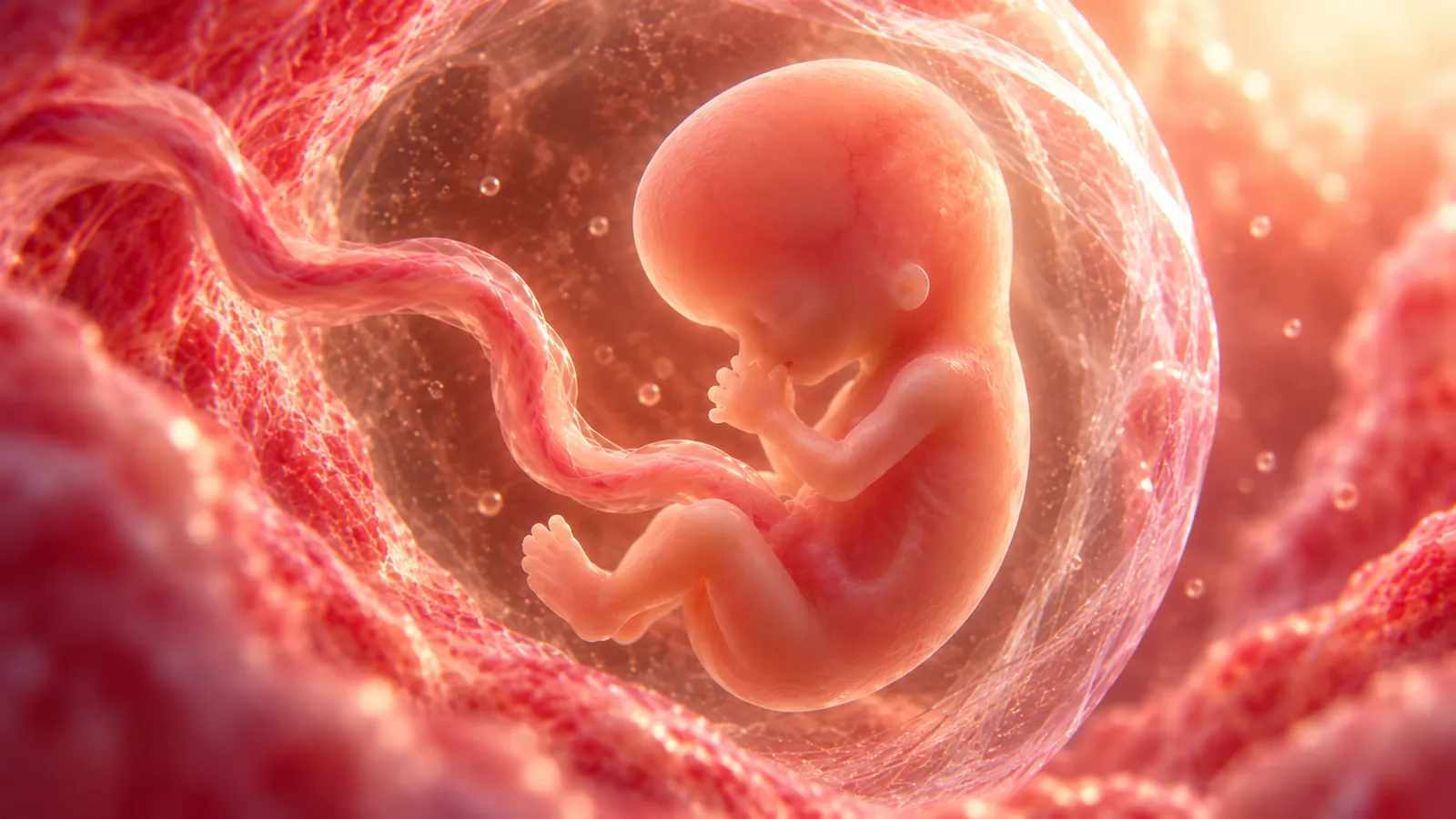
Deep in your baby's tiny throat, the vocal cords are forming. The delicate instrument that every sound of your child's life will one day pass through is being built, right now, this week.
Think for a moment about everything that will eventually come through it. The very first cry in the birth room. The gurgles and the coos. The belly laugh that you will do absolutely anything to hear again. The word mama, said for the very first time. Bedtime questions, whispered secrets, songs in the back of the car. All of it begins here, with vocal cords taking shape in a place where there is no air to carry a single sound, and will not be for months.
Your baby will not make a noise until that first breath at birth turns into a cry. But the voice you will one day know better than any other voice in the world, the one you could pick out of a crowded room in an instant, is being quietly made this week.
Yawns, stretches, and a thumb to suck
Your baby is wonderfully busy this week, and behaving in ways that will look very familiar to you one day.
Your baby can yawn now, a proper yawn, the jaw opening slowly wide and the tongue dropping down, exactly as yours does. It can stretch, turn its head, and pull little faces. And many babies have found their thumb and begun to suck it, often the right one, a small habit some carry right out into the world and into their very first photos.
None of this is for show, and none of it is felt by you yet. It is simply your baby, alone in the quiet, already being a baby.
A face and a fingerprint all their own
By now your baby's face has settled into its familiar human shape, the features all gathered into their proper places. And on those fingertips, the tiny ridges that started forming a few weeks ago are deepening into a fingerprint that belongs to your baby, and to no one else who has ever lived.
A face, a voice, a fingerprint. Your baby is becoming, more clearly with every passing day, entirely themselves.
How big is my baby at 13 weeks?
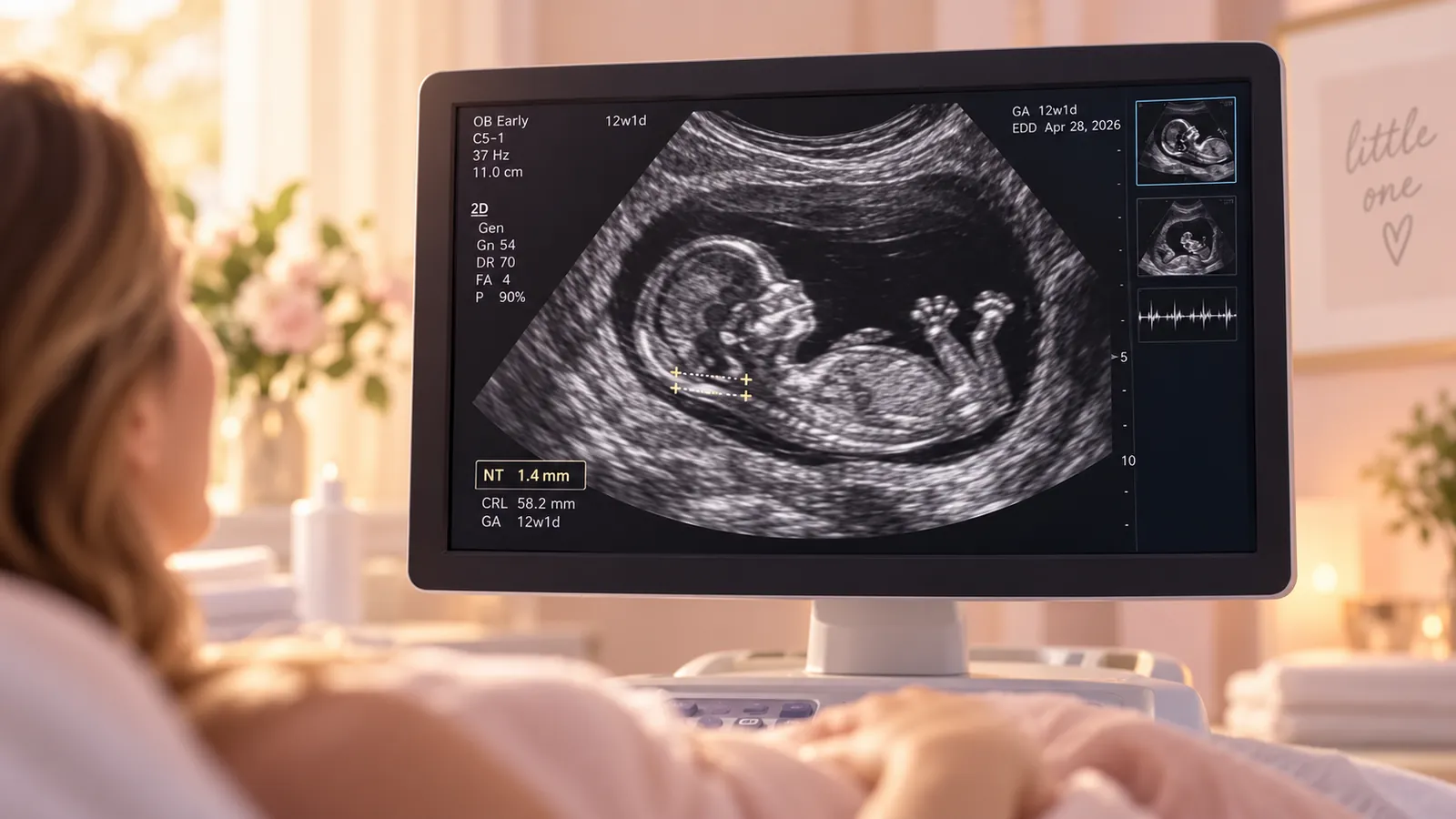
Around seven centimetres now, head to bottom, and roughly twenty-five grams. Still small enough to cup in the palm of one hand, were you ever able to.
The head, which has led the way since the very beginning, is at last starting to look more in proportion, as the body catches up and fills out.
What will I feel this week?
This is often a week of small, welcome changes.
Many women find their appetite returning as the nausea fades, which can feel like a quiet miracle after weeks of living on dry crackers. You might have a little more energy. You may also notice your growing uterus making itself known in new ways, perhaps a small twinge low in your sides as the ligaments stretch, or simply the sense that your usual clothes are not sitting quite the way they used to.
All of it is your body doing exactly what it should be doing, making room.
From Courtney. There is a particular kind of relief in reaching the second trimester. For me, it always felt like coming up for air after a long time underwater. The sickness loosening its grip, a little energy trickling back, the fear of those early weeks slowly softening into something closer to hope. If you are feeling that lightness, I hope you let yourself enjoy every bit of it. And if it has not come yet, hold on, because for most of us it does arrive. What stays with me about this week is the thought of those tiny vocal cords forming in the silence. The voice that would one day call out for me in the night was being built long before I had ever heard a single sound of it. If that is not a small miracle, I do not know what is. Breathe easy this week, mama. You have come so far.
The one thing to do this week
Keep your prenatal or folate going. Your baby will draw on those nutrients all the way through, so steady as you go.
And this week, if you can, do something kind for yourself with any energy that returns. A proper walk, a meal you actually want to eat, an early night with no guilt attached. You have come through the steepest part of the climb. It is allowed to feel good for a while.
Coming up in week fourteen
Next week, your baby grows a first, fine coat. A soft, downy hair called lanugo begins to appear, helping to keep your baby warm and protected. Those clever little hands start finding their way to the mouth more and more, the neck lengthens, and your baby's face grows ever more expressive.
Week fourteen settles you deeper into this gentler season. I will see you there.
The Mama Years. 2026.
You might also like
12 Weeks Pregnant: A Hand That Already Knows How to Hold On
Last week, your baby began practising to breathe. This week, you reach the milestone so many women quietly count down to. The end of the first trimester.
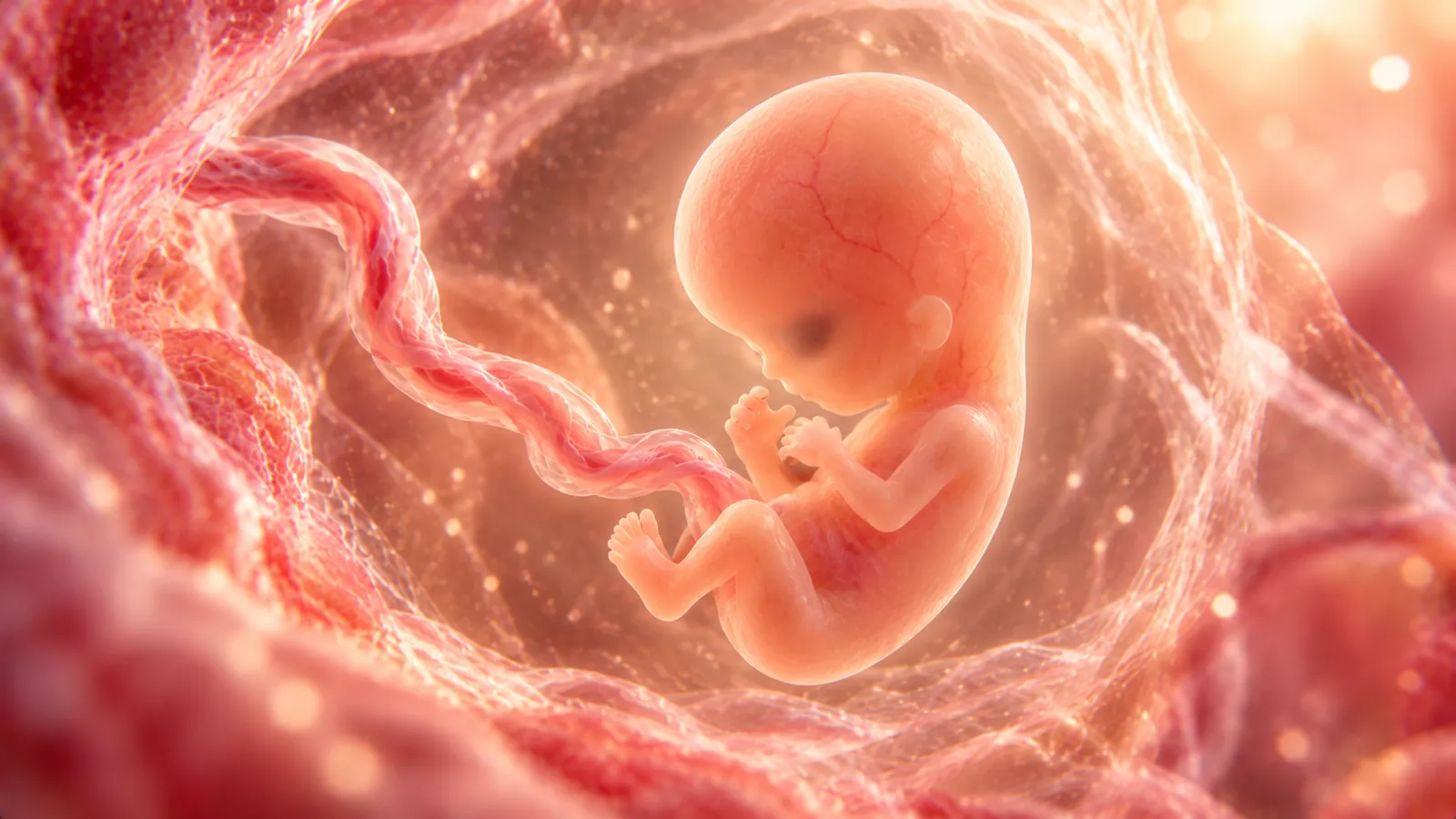
11 Weeks Pregnant: Practising to Breathe, Months Before the First Breath
Last week, your baby grew ten tiny fingers and a fingerprint all their own. This week, that little body comes alive, and begins to rehearse something it will not truly need for another six months....
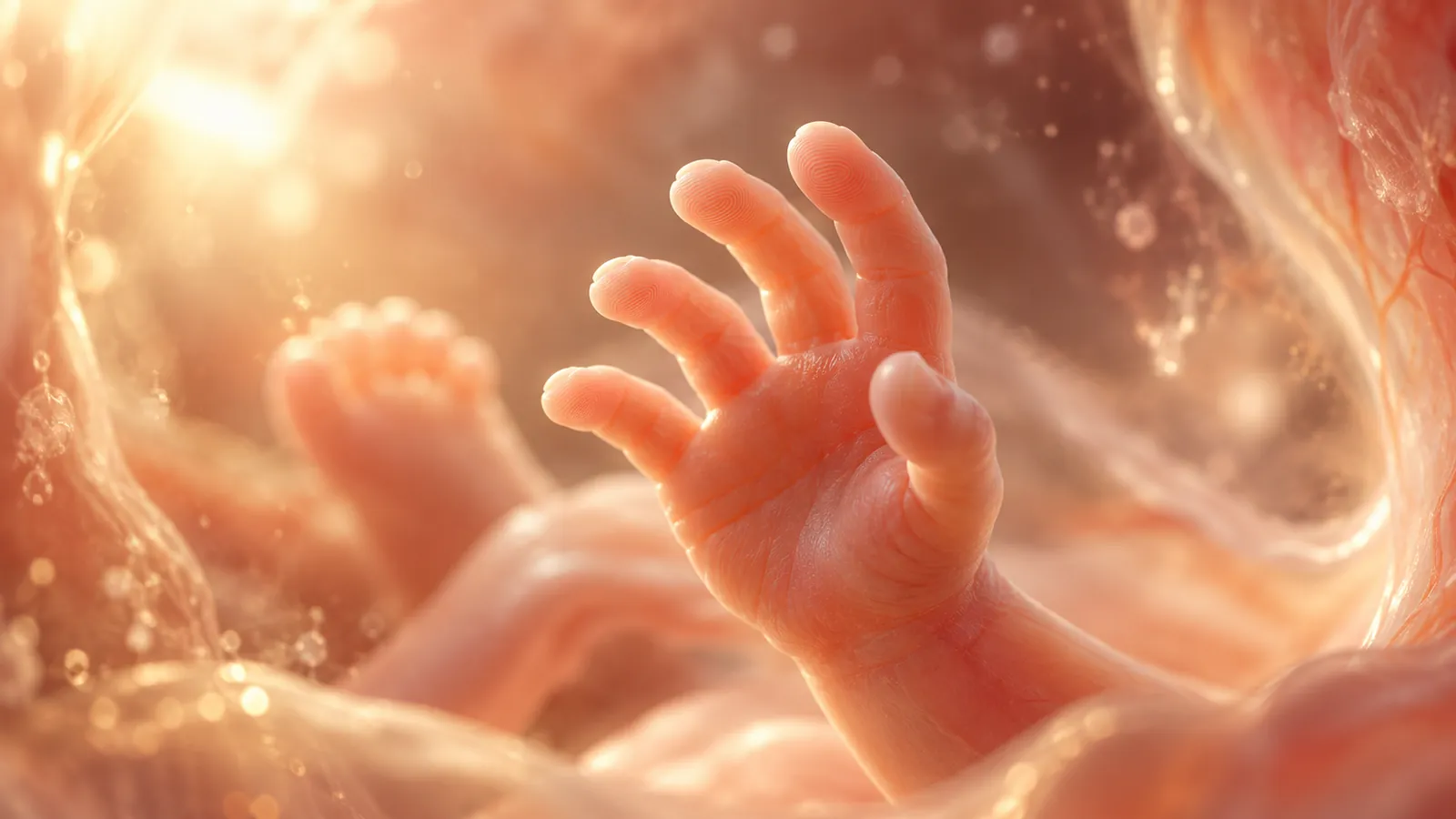
10 Weeks Pregnant: Ten Fingers, Ten Toes, and Fingerprints All Their Own
Last week, your baby got a new name and a hidden set of teeth. This week, look at the hands.
Want to keep following your pregnancy week by week?
Track your pregnancy, follow your baby’s development and find support for the questions that come up along the way in The Mama Years.
Open The Mama Years