


28 Weeks Pregnant: The Week Your Baby Learns Your Scent
Last week, your baby began learning your voice by heart. This week, the very last of their senses switches on, and it brings them even closer to you. Smell.
Reviewed by Courtney Garland, NICU Registered Nurse, IBCLC Lactation Consultant and Paediatric Sleep Consultant
Welcome to week twenty-eight. With this final sense waking up, your baby is, for the first time, sensing the whole world at once, and getting to know the one scent that will mean home for the rest of their life. Yours. Let me show you.
The last sense switches on
Your baby has spent months building their senses, one by one. Touch came first, then taste, then hearing, then sight. This week, the very last one arrives. Smell.
Until now, your baby's nose has been plugged with tissue, sealed off while it formed. Around this week, that plug clears, the nasal passages open, and for the first time your baby can smell.
And there is plenty to smell in there. The fluid all around your baby carries scents from your own body, and even from the foods you eat, the same flavours that have been quietly seasoning their meals. Your baby breathes that fluid in and out, learning the particular smell of their world, which is, in truth, the smell of you.
Here is why it matters so much. Of all the senses, smell is among the most deeply tied to memory and to comfort. The scent your baby is learning this week is the one they will be born already knowing. It is how, laid skin to skin after birth, a newborn can find their way to the breast, following the familiar smell of their mother like a little compass pointing home.
All five senses, awake at once
Stop and sit with this for a moment. Around this stage, all five of your baby’s senses are developing together.
Your baby’s eyelids are beginning to open, giving them their first glimpses of light and dark inside the womb. Those beautiful eyelashes are there too.
They can hear your voice and the steady rhythm of your heart. Taste flavours carried through the amniotic fluid. Feel their own hands, the cord and the soft walls around them. And now, their sense of smell is developing too.
A whole little person, beginning to experience the world from inside you. And almost everything they can sense in there is connected to you.
A brain that sleeps and dreams
There is a reason your baby can take all of this in now. The brain has reached a remarkable stage.
This week, the part of the brain that runs sleep switches on properly, and your baby settles into true sleep cycles, drifting between deep, quiet sleep and the busy, flickering REM sleep in which we dream. Your baby now has proper rhythms of rest and waking, governed by their own growing brain. Those long, still stretches you feel? Real, deep sleep. Those bursts of wriggling? Wide awake, and taking it all in.
How big is my baby at 28 weeks?
Around thirty-seven to thirty-eight centimetres now, head to heel, and roughly one kilogram. Your baby is plumping up nicely, filling out those cheeks, and may be starting to settle into a head-down position, ready for the months ahead, though there is still plenty of time and room to keep turning.
Sensing, sleeping, dreaming, and growing by the day.
What is happening in my body?
As you settle into the third trimester, you will likely be seeing your midwife or doctor a little more often now, often every couple of weeks, as they keep a close and caring eye on you both.
You might be feeling the physical weight of it all, a sore back, heartburn, swollen feet, broken sleep. Be gentle with yourself. This is hard, heavy work your body is doing. Around now, depending on your blood type, you may also be offered a routine injection called anti-D, and your midwife will explain whether it applies to you. As ever, ask them anything, and never hesitate to flag a worry.
From Courtney. This is one I love to share as a lactation consultant, because it is pure magic and pure science at the very same time. Your baby is learning your smell. Right now, the scent of you is soaking into their world, and they are quietly memorising it. It is why, when a newborn is laid bare on their mother's chest, they can actually wriggle and bob their way toward the breast, following her scent like a tiny compass. They are not lost and searching. They are coming home, to a smell they already know better than any other in the world. You do not need fancy perfume or a single special thing. Just you, exactly as you are, is the scent your baby is falling in love with this week. Imagine that, mama. You already smell like safety.
The one thing to do this week
This week, simply start getting to know your baby's daily rhythm, when they tend to be busy, and when they rest. There is no need to count every kick or watch the clock anxiously. But getting a feel for what is normal for your baby matters now, because if that pattern ever changes noticeably, a quick call to your midwife is always the right thing to do. They would far rather check and reassure you than have you sitting at home worrying.
If it helps you feel a little more confident, you can keep a gentle eye on those movements with a free kick tracker, like the one inside the Mama Years app. It is there to reassure you, never to add pressure. Trust yourself here. You know your baby better than anyone.
And, as ever, rest when you can. Growing a baby through the third trimester is real, tiring work.
Coming up in week twenty-nine
Next week, your baby keeps getting stronger, and their bones harden and soak up calcium at a tremendous rate, drinking it in from you. The movements change too. With less room to somersault, you will start to feel more pokes and prods, and the press of a heel or an elbow against your belly.
Week twenty-nine is where your baby really starts to make their presence felt. I will see you there.
The Mama Years. 2026.
You might also like

29 Weeks Pregnant: The Bones That Will Carry Them a Lifetime
Last week, your baby's final sense switched on. This week, your baby gets seriously strong, building a skeleton out of you, and growing big enough that they become a presence you can truly feel.
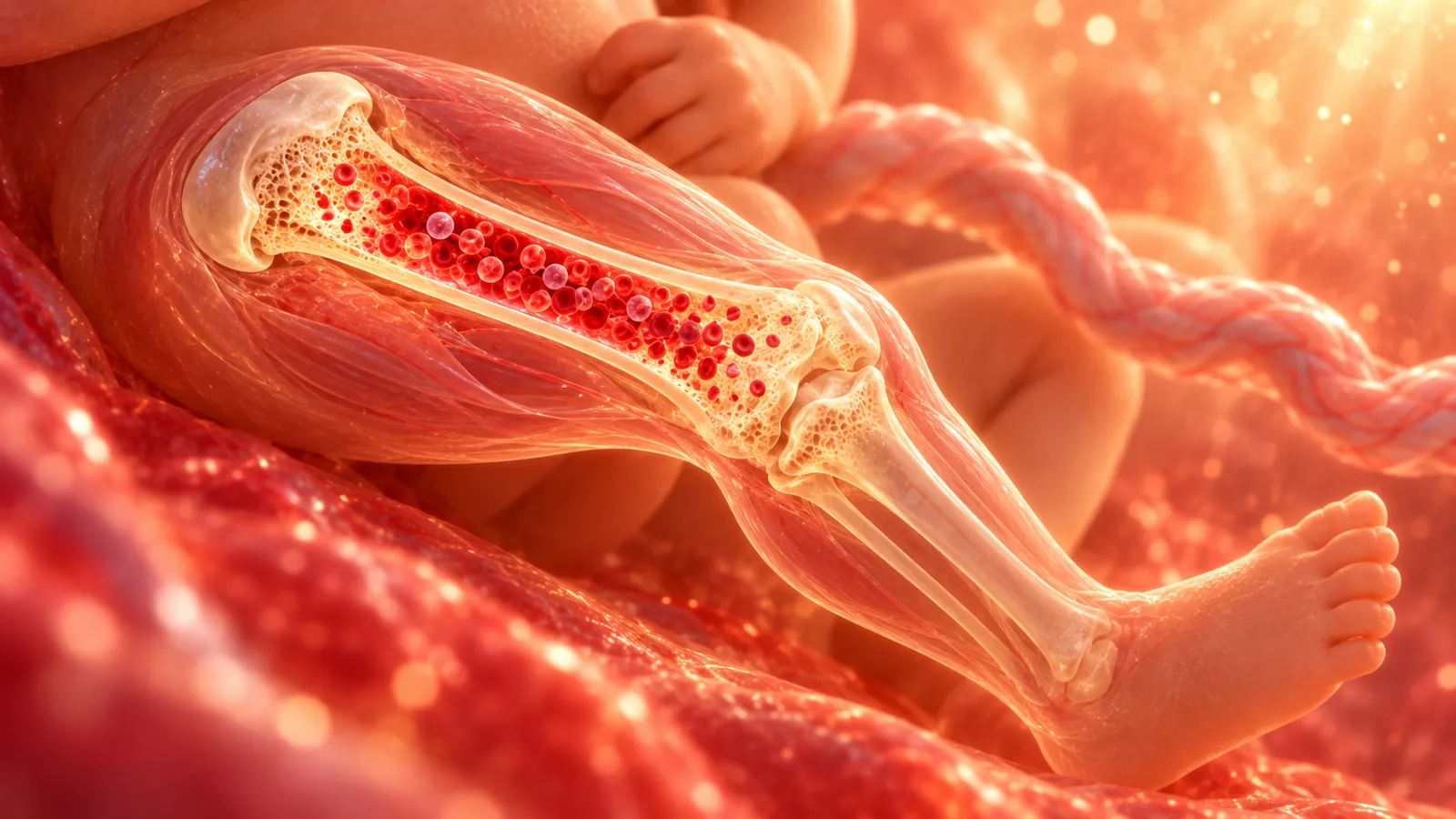
30 Weeks Pregnant: The Week Your Baby Starts Doing It Themselves
Last week, your baby was building a skeleton out of you and becoming a presence you could feel. This week, something quietly momentous begins. Your baby starts taking over the jobs your body has...

31 Weeks Pregnant: The Wiring of a Whole Mind
Last week, your baby began taking over the running of their own body. This week, deep in that busy head, the wiring of a whole mind is being laid, connection by connection, at a furious pace.
Want to keep following your pregnancy week by week?
Track your pregnancy, follow your baby’s development and find support for the questions that come up along the way in The Mama Years.
Open The Mama Years