
37 Weeks Pregnant: Your Baby Is Ready, and So Is Your Liquid Gold
Last week, the countdown began. This week brings two milestones worth celebrating. Your baby is officially ready for the world, and your body has perfected the very first gift it will give them....
Reviewed by Courtney Garland, NICU Registered Nurse, IBCLC Lactation Consultant and Paediatric Sleep Consultant
Last week, the countdown began. This week brings two milestones worth celebrating. Your baby is officially ready for the world, and your body has perfected the very first gift it will give them. Liquid gold.
Welcome to week thirty-seven. Your baby has reached early term, fully formed and ready to thrive, while your body has quietly made the most perfect first food there is. Let me show you.
Your baby is ready
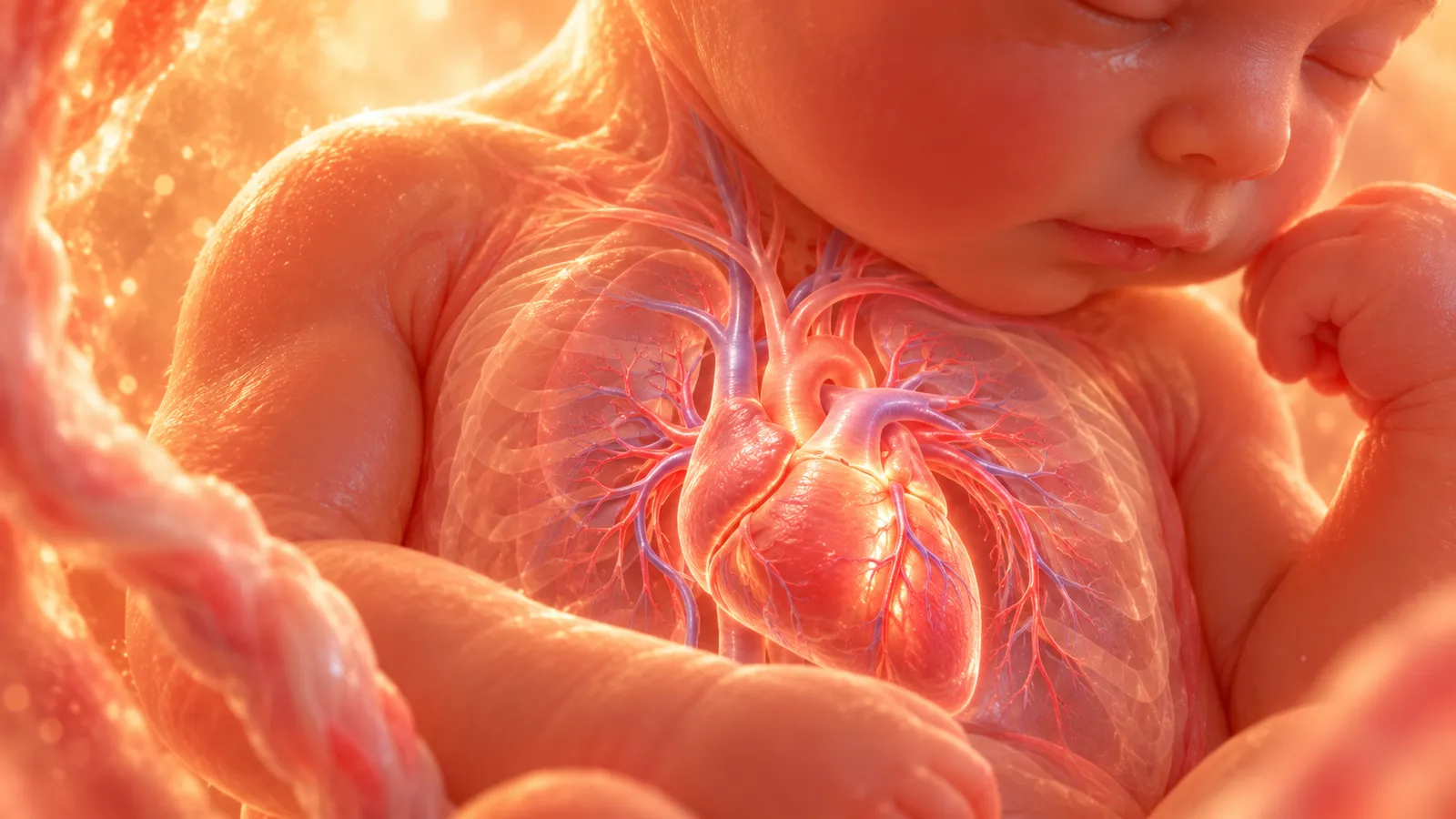
This week brings a milestone that lets so many mothers finally exhale. At thirty-seven weeks, your baby is considered early term.
In plain terms, it means your baby is very likely ready for the world. Their lungs have matured enough to breathe air, they are plump and fully formed, and should they decide to arrive now, they would most likely do beautifully. After all these months of waiting and wondering, that is a wonderful thing to know.
There is still a little benefit to the last couple of weeks, a touch more brain growth, a little more time to finish up, so there is no need to wish them out early. But from here on, you can rest a little easier, knowing your baby is ready whenever the big day comes.
Your body has made liquid gold
While your baby has been getting ready, your body has quietly perfected something extraordinary. The very first food your baby will ever taste. Colostrum.
This thick, golden, slightly sticky first milk is unlike anything else your body makes. It comes in small, concentrated amounts, and it is bursting with nourishment and protection, perfectly matched to a brand new baby. Remember the immunity you have been passing to your baby? It carries on through this. Colostrum is rich in antibodies that coat and shield your baby's brand new tummy, protecting them from the very first feed.
It is the gentlest, most perfectly designed welcome meal there is. Made by your body, for your baby, and ready and waiting, whenever they arrive.
How big is my baby at 37 weeks?
Around forty-eight to forty-nine centimetres now, head to heel, and roughly three kilograms. Your baby is plump, smooth, and beautifully ready, just topping up their fat stores and settling in for the final wait.
Fully formed, snug, and very nearly in your arms.
What is happening in my body?
You are in the final stretch now, and your body may be starting to show small signs of getting ready for labour.
You might notice more frequent Braxton Hicks contractions, a fresh burst of nesting energy, your baby sitting lower, or a little more pelvic pressure. Some mothers notice the 'show', a small amount of mucus, as the body begins to prepare. None of these means labour is starting today, but together they are gentle hints that your body knows what is coming. Make sure you are clear on the signs of real labour and when your midwife wants you to call, rest as much as you can, and try to enjoy these last quiet days. Soon, everything changes, in the very best way.
From Courtney. Colostrum is, hands down, one of the most magical things I get to talk about. This thick, golden first milk your body has quietly been making is so perfectly designed for your newborn that we really do call it liquid gold. It comes in tiny amounts, and that is not a flaw, it is genius, because on day one your baby's tummy is only the size of a little marble, and those few precious drops are exactly, precisely enough. It is full of protection, it coats and guards their brand new gut, and it is the gentlest possible first meal. So if you ever worry, in those early days, that such a small amount cannot possibly be enough, I want you to remember this week. Your body knew what it was doing all along. It made gold, mama. And it made just the right amount.
The one thing to do this week
This week, if it appeals to you, it can be a wonderful time to learn about antenatal colostrum harvesting, gently collecting and saving a little of that precious colostrum before your baby even arrives.
A word first, though. This is something to do only from around now, and only once your midwife or doctor has given you the go-ahead, as it is not right for every pregnancy. But with their okay, it can be a lovely, empowering thing to have a small store of liquid gold tucked away for those first days. I walk you through exactly how to do it, safely and simply, the hand expressing, the collecting, and the storing, inside the Prep for Baby course in the Mama Years app.
So have a chat with your midwife, and if it is right for you, give it a go. And if it is not, please do not give it a second thought. Your body will make exactly what your baby needs, right on cue.
Coming up in week thirty-eight
Next week, your baby is fully developed and simply growing cosier, adding the last soft grams and waiting, like you, for the day. We will look at the clever final preparations your baby is quietly making, and the patient, tender work of these last waiting weeks.
Week thirty-eight is where your baby puts the finishing touches to everything. I will see you there.
The Mama Years. 2026.
You might also like

38 Weeks Pregnant: The Week Your Baby Learns Day from Night
Last week, your baby reached early term and your liquid gold came in. This week, while everyone waits, your baby is quietly busy with something rather lovely. They are beginning to learn the...

35 Weeks Pregnant: The Secret Purpose of All That Baby Fat
Last week, your baby was rehearsing for their very first feed. This week, they turn their energy to filling out, plumping into the soft, round newborn you are about to meet. And that gorgeous baby...

34 Weeks Pregnant: A Protective Coat for The Journey Out
Last week, your body began arming your baby with your immunity. This week, your baby starts rehearsing the very first thing the two of you will do together once they arrive. Feeding.
Want to keep following your pregnancy week by week?
Track your pregnancy, follow your baby’s development and find support for the questions that come up along the way in The Mama Years.
Open The Mama Years