

16 Weeks Pregnant: One of the first sounds your baby will come to know is you
Last week, your baby began to move with purpose. This week, your baby gets ready to do something just as remarkable. Listen.
Reviewed by Courtney Garland, NICU Registered Nurse, IBCLC Lactation Consultant and Paediatric Sleep Consultant
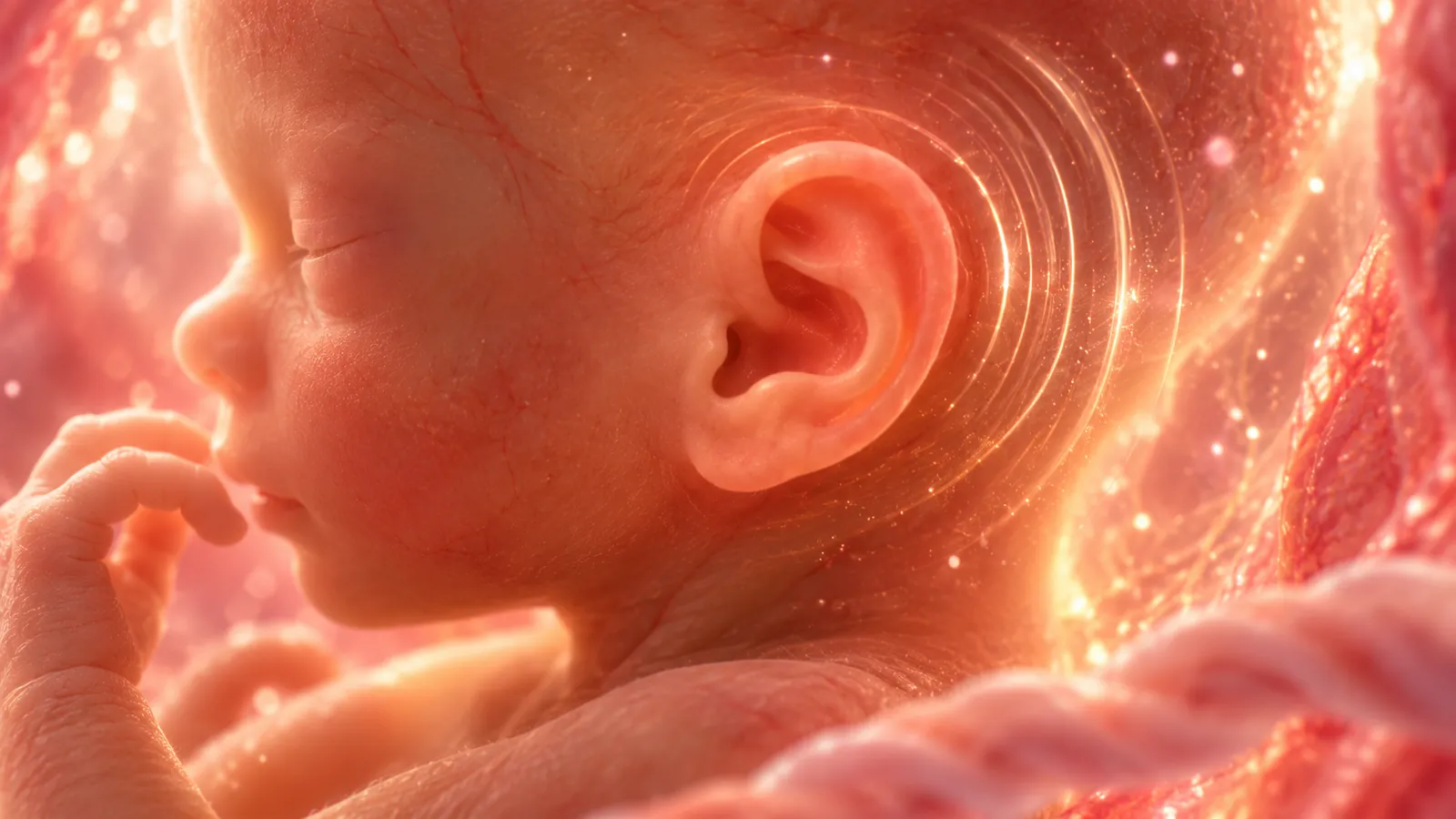
Welcome to week sixteen. This week your baby's ears settle into their final place on the sides of the head, and the delicate apparatus of hearing is very nearly complete. Your baby is arriving at the threshold of sound. And the very first thing it will ever hear, the first sound in a whole lifetime of them, is you. Let me show you.
One of the first sounds your baby will ever hear
For sixteen weeks, your baby has lived in complete silence.
That is about to change. The ears are reaching their final position now, and the tiny structures deep inside that catch and carry sound are nearly finished. Over the coming weeks, faint at first, the world of sound begins to reach your baby.
And here is the part that gets me every time. The first sounds your baby hears are not from out here at all. They are you. The loudest, closest, most constant sound in your baby's entire world is your heartbeat, a steady drum heard from the inside, day and night, never once stopping. Then the soft rush of your blood. The gurgle of your tummy. And woven through all of it, muffled but there, the particular music of your voice.
Your baby will not truly know your voice for a while yet, and clearer hearing comes in the weeks ahead. But think of this. Long before your baby ever sees your face, it will know your heartbeat by heart. It is why, when your newborn is laid on your chest for the very first time and hears that same drum from the outside, something in them settles. They are not meeting you. They are recognising you. They have been listening to you all along.
You might feel your baby for the first time
While your baby is learning to hear you, you may, right about now, begin to feel your baby.
For weeks, I have been telling you that your baby is moving constantly, and that you simply cannot feel it yet. That starts to change around now. These first sensations, called quickening, are so faint and strange that many women miss them at first, or put them down to wind or a fluttering tummy. Little bubbles. A flutter. The brush of a butterfly from the inside.
If this is not your first baby, you may notice it this week. First-time mothers usually wait a little longer, often until somewhere between eighteen and twenty-two weeks, so please do not worry in the slightest if there is nothing yet. It is coming. And when it does, that first unmistakable flutter, the first time your baby reaches out and brushes the very edge of your world, is a moment you will never forget.
What else is happening this week
Your baby is looking more and more finished.
The eyes have moved around to the front of the face and can make slow movements behind their still-closed lids. The facial muscles are busy with their squints and frowns. The arms and legs move in smoother, more coordinated ways now, and your baby can bring its two hands together. The skin is still thin and almost see-through, a tracery of tiny blood vessels just beneath it, but it is slowly beginning to thicken.
How big is my baby at 16 weeks?
Around eleven to twelve centimetres now, head to bottom, and roughly one hundred grams. Your baby has had a real growth spurt these past couple of weeks, and the body is catching up to that big, clever head at last.
Small enough still to fit in your two cupped hands. And already listening for the sound of you.
What is happening in my body?
Your bump is becoming harder to hide, and you may be enjoying the steadier energy of these middle weeks.
There is a good chance your next big scan, often called the anatomy scan, is coming up soon, usually somewhere around eighteen to twenty weeks. It is a detailed look at how your baby is growing, head to toe, and for many families it is also when they can choose to find out whether they are expecting a girl or a boy. If you are watching for those first flutters in the meantime, try lying still somewhere quiet after a meal and simply paying attention. Sometimes that is exactly when you first catch them.
From Courtney. As a NICU nurse, I have watched it happen more times than I can count. A baby who will not settle, placed skin to skin on their mother's chest, going quiet the very moment they find her heartbeat. I used to think it was just the warmth, and that is part of it. But I am certain now that a great deal of it is recognition. That heartbeat is the first sound they ever knew, the rhythm that played under everything for the whole of their existence. Knowing, this week, that your baby is only just beginning to hear yours, the very drum that will one day calm them on the hardest nights, undoes me a little. You are already their favourite sound, mama, and they have not even met you yet. So talk to them. Sing, badly, in the car. They are starting to listen.
The one thing to do this week
Keep your prenatal or folate going, as always.
And this week, try this. When you have a quiet moment, put a hand on your bump and simply say hello. Talk about your day, sing a little, read aloud if you like. Your baby cannot make much of the words yet, but your voice is beginning to reach in, and the more your baby hears it now, the more deeply familiar it becomes for later. There is good evidence that babies come to know and prefer their mother's voice, and it begins with ordinary moments just like these. You are not being silly. You are starting a conversation that will last a lifetime.
Coming up in week seventeen
Next week, your baby starts to soften and round out. The first traces of fat begin to lay down beneath that thin skin, the beginnings of the soft roundness you will one day kiss. A creamy, protective coating called vernix starts to form, and your baby's grip grows stronger as it practises on the umbilical cord, its very first plaything.
Week seventeen is where your baby starts to fill out. I will see you there.
The Mama Years. 2026.
You might also like
15 Weeks Pregnant: The Week Your Baby Starts Moving on Purpose
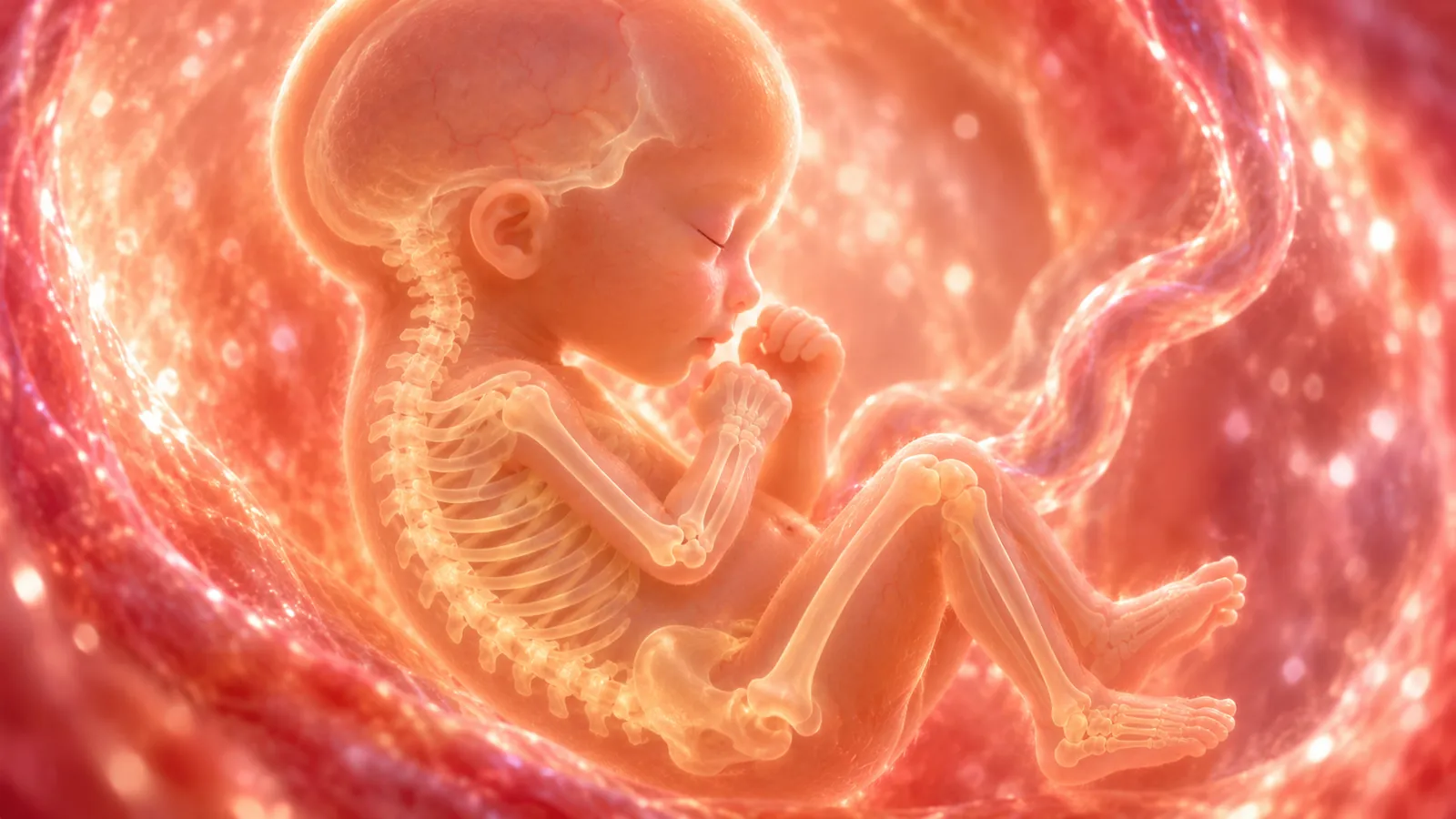
Last week, your baby learned to make faces. This week, those movements gain something brand new. Purpose.
19 Weeks Pregnant: The Week You Feel Your Baby Move
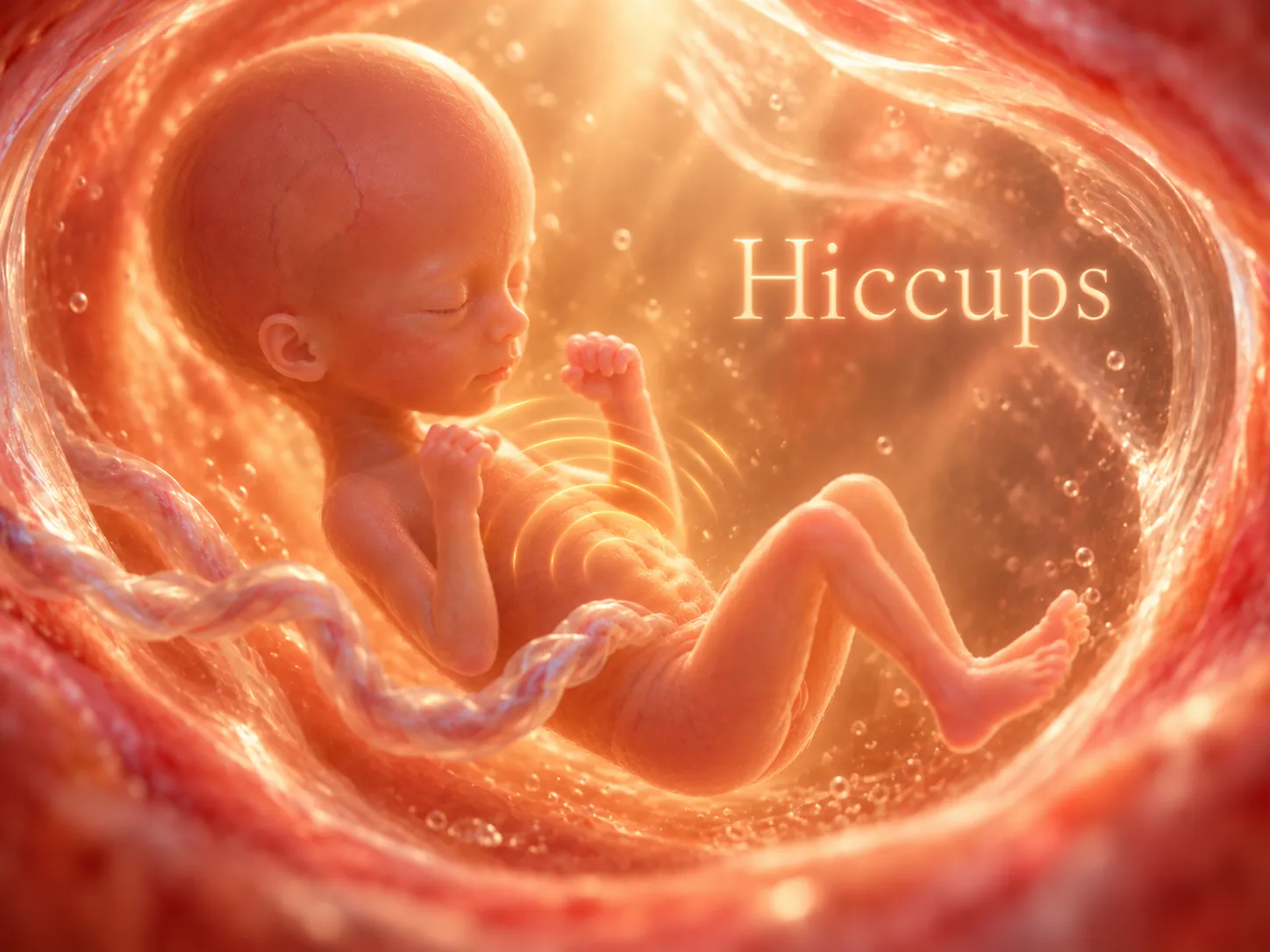
Last week, your baby began keeping its own little hours. This week, all that secret activity may finally break through to you, and you feel your baby move for the very first time.
20 Weeks Pregnant: Halfway There, and Carrying Three Generations at Once
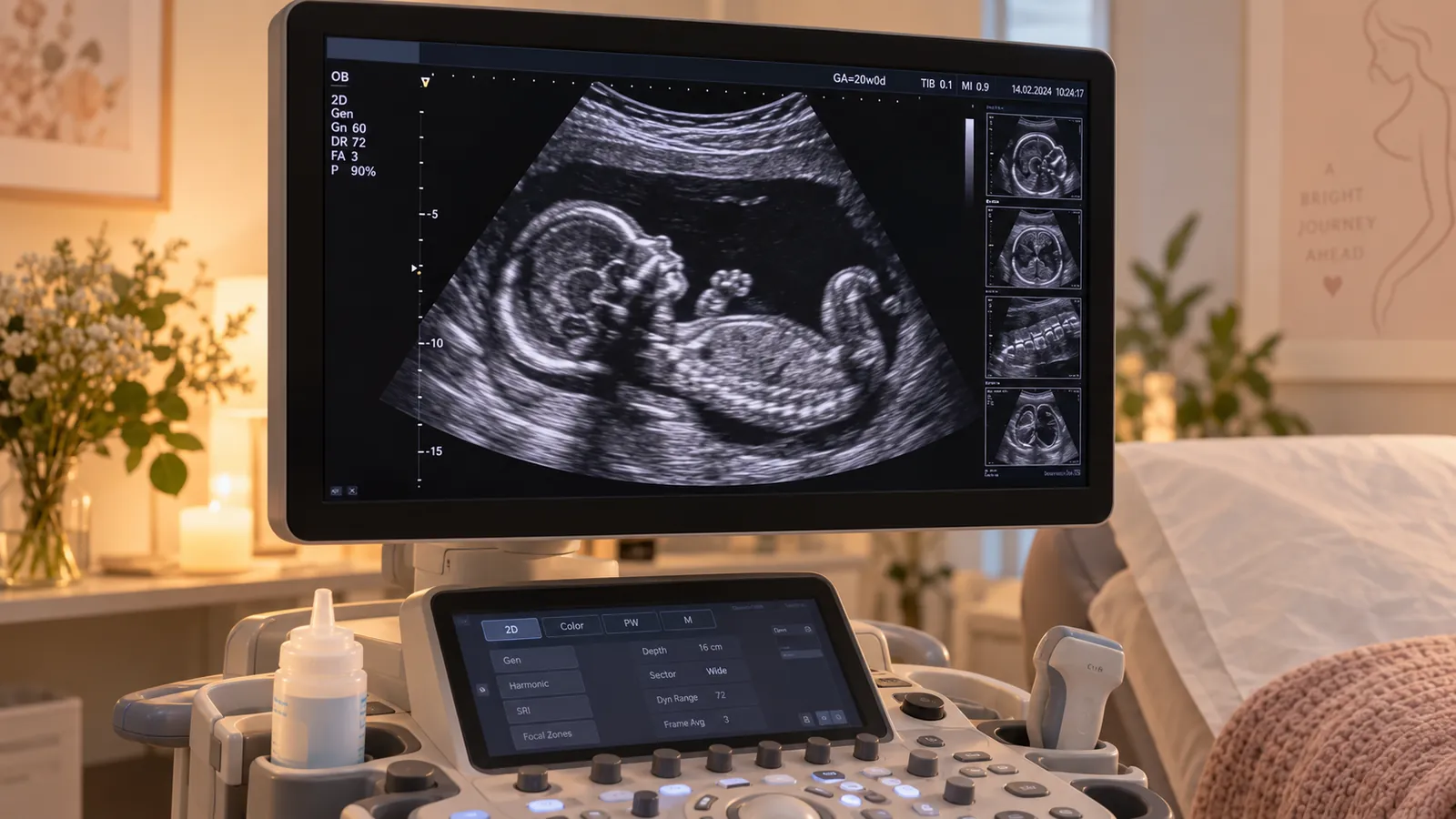
Last week, you may have felt your baby move for the very first time. This week, you reach the middle of it all. The halfway mark. And it comes with one of the most staggering facts in the whole of...
Want to keep following your pregnancy week by week?
Track your pregnancy, follow your baby’s development and find support for the questions that come up along the way in The Mama Years.
Open The Mama Years