

19 Weeks Pregnant: The Week You Feel Your Baby Move
Last week, your baby began keeping its own little hours. This week, all that secret activity may finally break through to you, and you feel your baby move for the very first time.
Reviewed by Courtney Garland, NICU Registered Nurse, IBCLC Lactation Consultant and Paediatric Sleep Consultant
Welcome to week nineteen. Your baby is getting strong, and somewhere around now many mothers feel those first unmistakable flutters. You might even catch the funny, rhythmic surprise of hiccups. After everything you have not been able to see or feel, this is the week the wonder reaches your own two hands. Let me show you.
You might feel your baby move now
Here is something I have been waiting to tell you.
Your baby has been moving for weeks. Since around week eight, in fact, twisting and stretching and kicking, long before you could feel a single thing. So why not until now?
It turns out your womb itself cannot feel those movements. Neither can your intestines tucked behind it. They simply do not have the right kind of nerves for it. So for all these weeks, your baby has been somersaulting away in a part of you that cannot sense it. It is only now, as your baby grows strong enough to push right up against the front wall of your belly, where your own skin and muscle finally can feel, that the movements break through to you.
And when they do, oh. The first ones are so soft and strange that many mothers second-guess them. A flutter. A bubble. A little popping, like distant popcorn. The brush of butterfly wings from somewhere deep inside. Then one day, unmistakably, a kick. Your baby, saying hello in the only way they can, and you feeling your child for the very first time. It is the beginning of a conversation between the two of you that will, in one form or another, last the rest of your lives.
The funny little surprise of hiccups
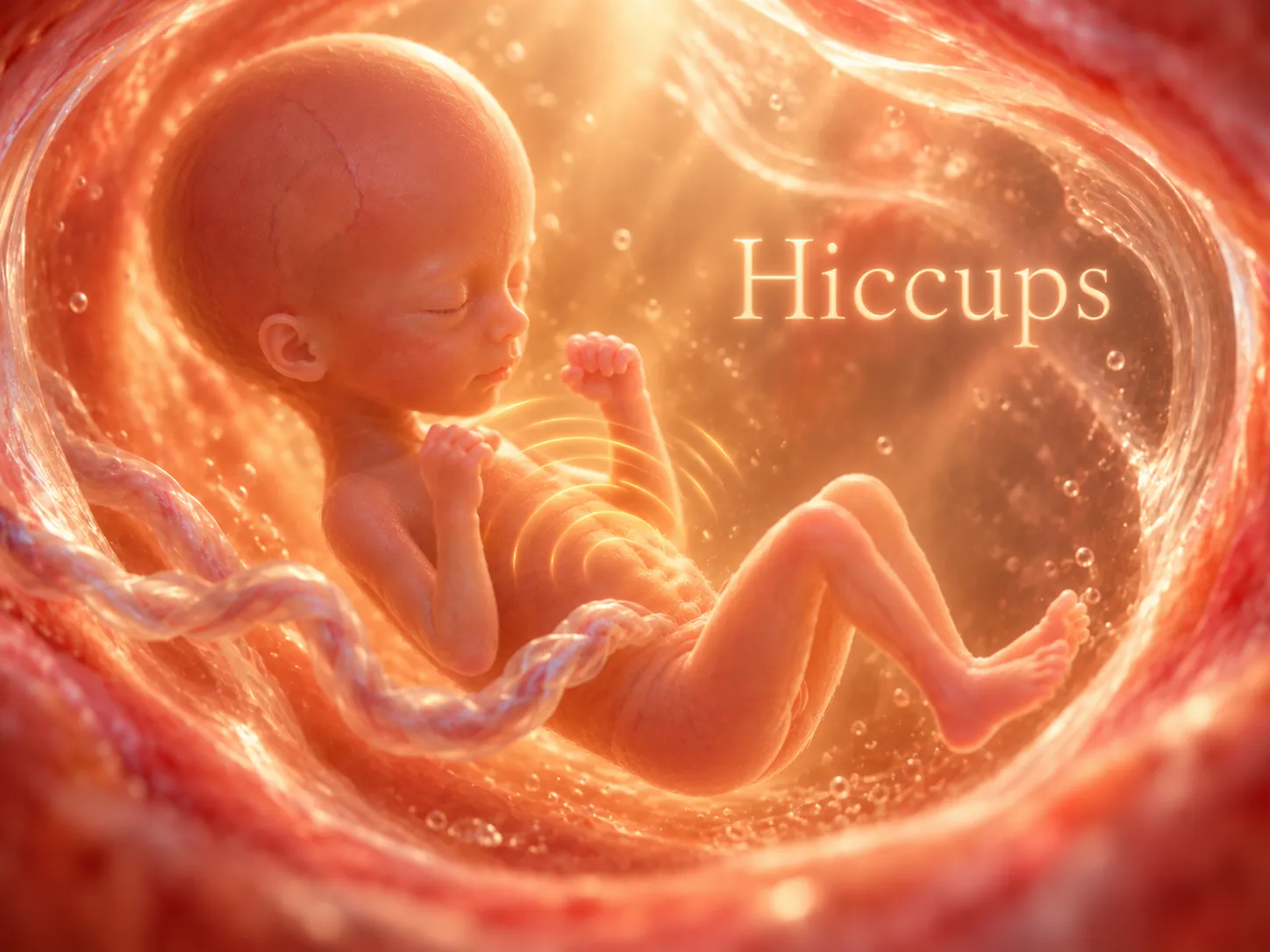
There is one movement that catches almost every mother off guard the first time. Hiccups.
Yes, babies hiccup in the womb. Your baby has begun to draw little sips of amniotic fluid in and out, practising the motions of breathing, and sometimes that makes the developing diaphragm contract in exactly the way it does when you hiccup. The result is a tiny case of the hiccups, deep inside you.
If you feel them, and many mothers do not notice them clearly until later in pregnancy, they are unmistakable once you know what they are. Not the random thump of a kick, but a steady, rhythmic little tap, tap, tap, always in the same spot, going on for a few minutes at a time. The first time, it can stop you in your tracks. Far from a worry, those hiccups are a rather lovely sign that your baby's diaphragm, and the nerve that drives it, are wired up and working just as they should.
How big is my baby at 19 weeks?
Around fifteen centimetres now, head to bottom, and roughly two hundred and forty grams. Your baby is steadily filling out, the once see-through skin slowly turning more opaque, and those fingerprints we talked about weeks ago are now set, unique and permanent, theirs for life.
Strong enough now, at last, to make themselves felt.
What is happening in my body?
You may be feeling your baby, your bump is growing rounder, and if you have just had your anatomy scan, you may be carrying around a precious new secret, or happily telling everyone, about whether you are expecting a girl or a boy.
If you have not felt any movement yet, please do not let it worry you. So much depends on where your placenta has settled, on whether this is your first baby, and on your baby's favourite place to lie. Some mothers, especially in a first pregnancy, wait until twenty-two weeks or beyond to feel those first flutters. It is on its way.
From Courtney. I have felt this exact thing four times now, and it never once got old. That first proper kick, the one you know for certain is your baby and not your imagination, stops you where you stand. You go very still, hand on your belly, waiting to see if they will do it again. And the hiccups. Oh, the hiccups. Those funny little rhythmic taps that you slowly realise are your baby, hiccupping away in there, completely unbothered. After all the months of wonders you could not see, the heartbeat and the brain and the tiny fingerprints, this is the first part of your baby you get to feel for yourself. So soak up every flutter. And if you are still waiting, do not lose heart. Your turn is coming, and it is so worth the wait, mama.
The one thing to do this week
This week, if you have started to feel those first little movements, try simply being with them. When you have a quiet moment, lie down, rest a hand on your bump, and pay attention. You do not need to do anything clever. Some mothers like to gently press back when they feel a kick, or to let their partner rest a hand there and wait to feel it too. It is the start of a back-and-forth you will be having for years.
And if you are not feeling anything yet, that is completely okay. Rest when you need to, be gentle with yourself, and know that it is coming.
Coming up in week twenty
Next week is a milestone worth celebrating. The halfway mark. Your baby's brain is beginning to set aside special areas for each of the senses, for smell and taste, for hearing and sight and touch. And if you are carrying a daughter, there is a quietly staggering fact waiting for you, one that links three generations of your family in a single, extraordinary moment.
Week twenty is the halfway point, and a big one. I will see you there.
The Mama Years. 2026.
You might also like
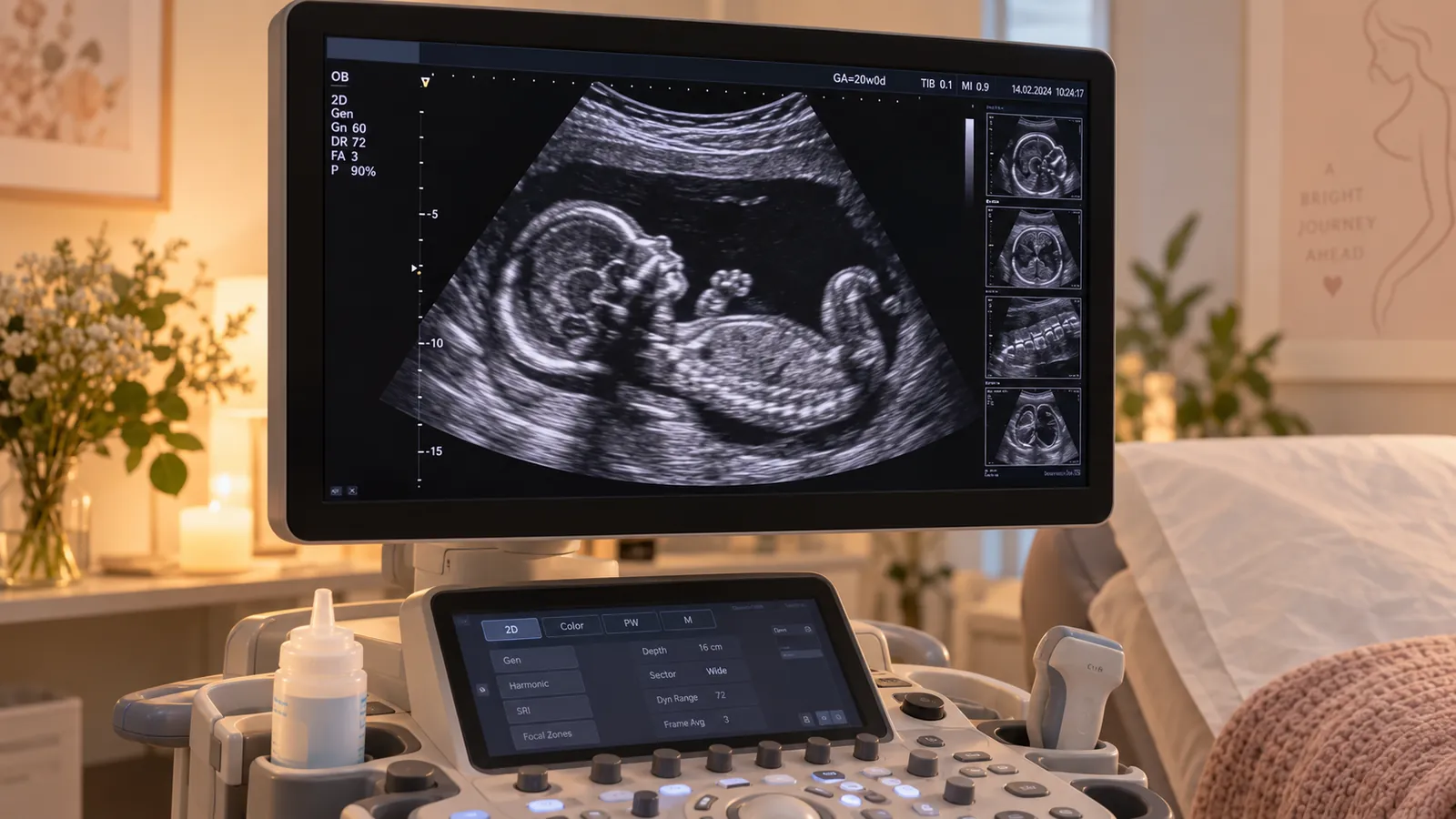
20 Weeks Pregnant: Halfway There, and Carrying Three Generations at Once
Last week, you may have felt your baby move for the very first time. This week, you reach the middle of it all. The halfway mark. And it comes with one of the most staggering facts in the whole of...
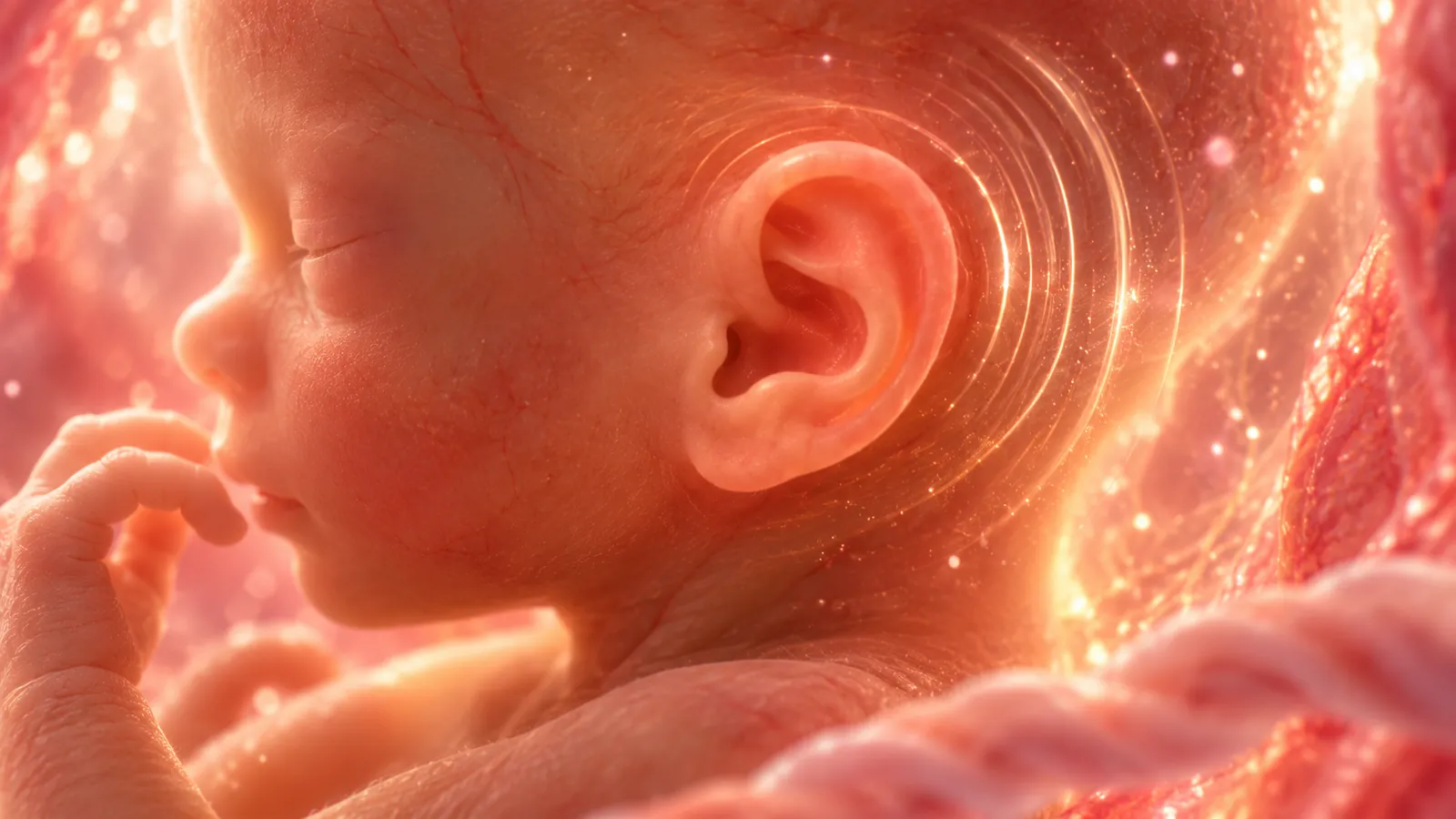
16 Weeks Pregnant: One of the first sounds your baby will come to know is you
Last week, your baby began to move with purpose. This week, your baby gets ready to do something just as remarkable. Listen.
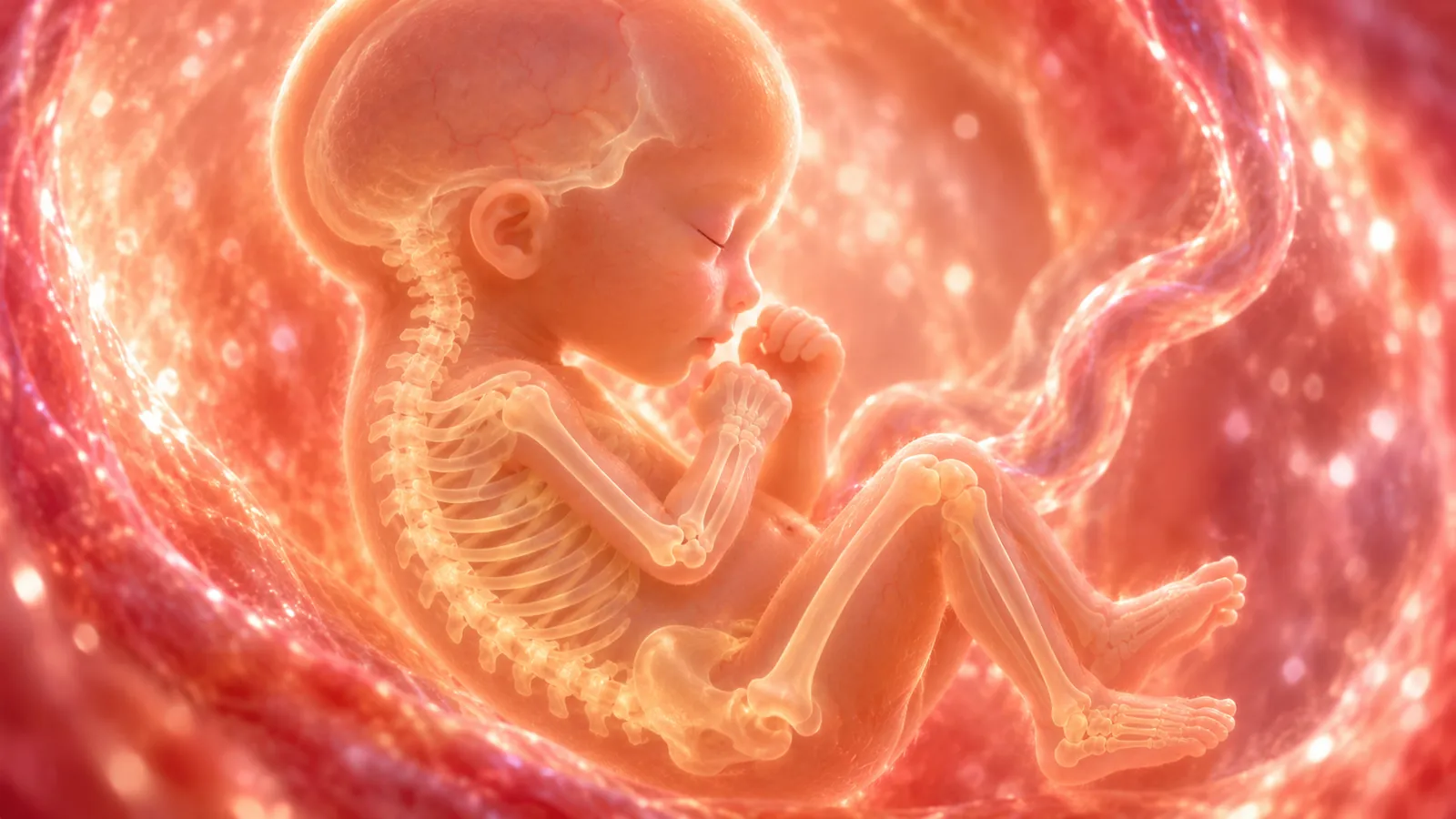
15 Weeks Pregnant: The Week Your Baby Starts Moving on Purpose
Last week, your baby learned to make faces. This week, those movements gain something brand new. Purpose.
Want to keep following your pregnancy week by week?
Track your pregnancy, follow your baby’s development and find support for the questions that come up along the way in The Mama Years.
Open The Mama Years