26 Weeks Pregnant: Your Baby Is Starting to Look Like a Newborn
Your baby has spent months building all the tiny pieces of themselves.
Reviewed by Courtney Garland, NICU Registered Nurse, IBCLC Lactation Consultant and Paediatric Sleep Consultant
Now, something different begins.
They start filling them out.
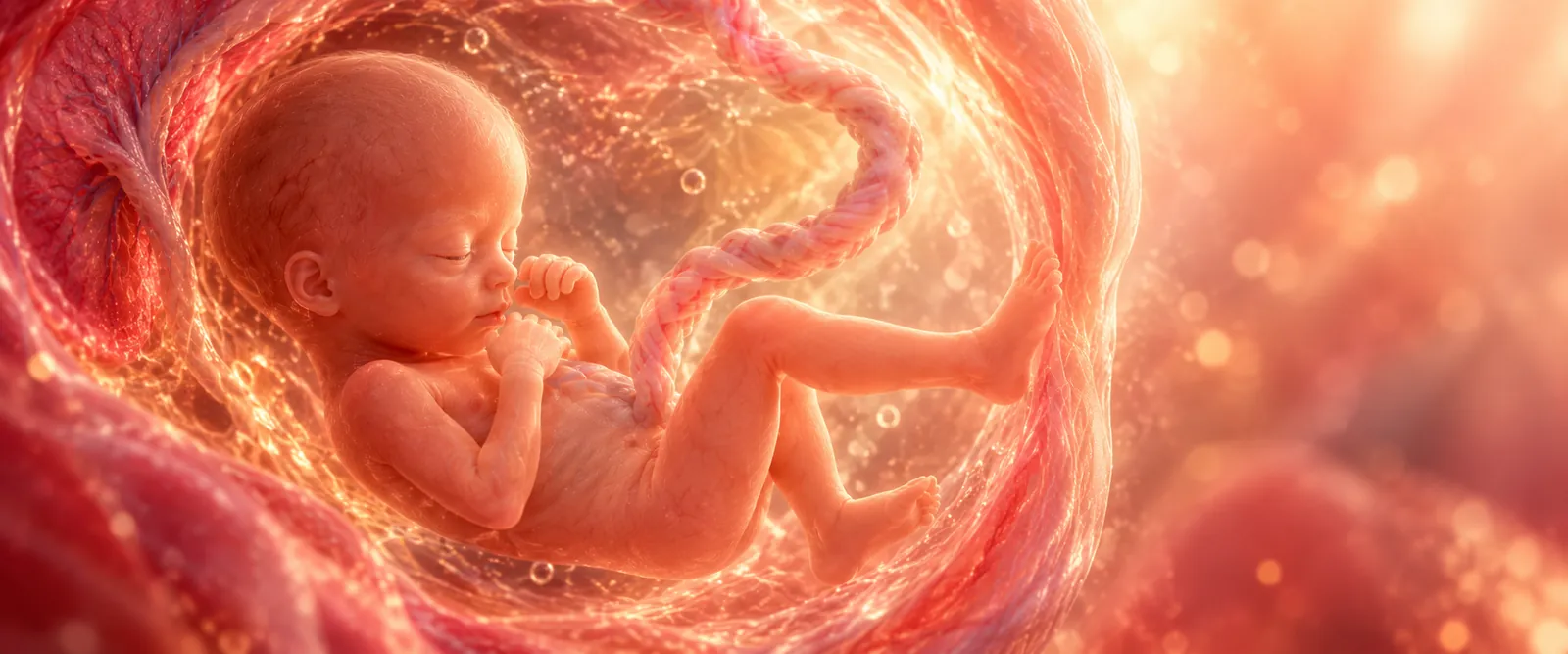
Welcome to week twenty-six. Your baby is putting on more fat and muscle, their movements are getting stronger, and those little kicks and rolls are becoming much harder to miss.
This is the stage where your tiny baby starts looking a little less delicate and a little more like the newborn you will eventually hold.
Your baby is building muscle
Those kicks have been happening for weeks, but they are getting stronger now for a reason.
Your baby is building more muscle.
The arms and legs are getting stronger, movements are becoming more powerful, and you may notice the difference from the tiny flutters you felt earlier in pregnancy.
A kick may suddenly feel like a proper kick.
A roll might move your whole belly.
You may even see a little bump appear where a foot, knee or elbow is pressing outward.
There is still plenty of growing left to do, but your baby is becoming stronger by the day.
Those little wrinkles are beginning to fill out
Your baby is also beginning to put on more body fat.
Until now, the skin has been quite thin and wrinkled because there has not been much underneath it.
Over the weeks ahead, more fat will settle beneath the skin, slowly smoothing out those tiny wrinkles and helping your baby look more like the round, soft newborn you are imagining.
That fat will become important after birth too, helping your baby stay warm once they leave the constant warmth of your body.
If your baby is a boy, something else is beginning
Here is one of those little development facts most mothers never hear about.
If your baby is a boy, the testes have been developing inside the abdomen.
Around this stage, they begin the journey downward toward the scrotum.
It does not happen all at once, and the exact timing varies from baby to baby. For many babies, most of that journey happens over the weeks ahead.
Another tiny piece of your baby quietly moving into place.
How big is my baby at 26 weeks?
Around thirty-five to thirty-six centimetres now, head to heel, and roughly seven hundred and sixty grams. Your baby is steadily plumping up, the skin smoothing out, and getting more cramped for space, so the kicks and rolls are strong and easy to feel.
Eyes still closed, ears listening, and busy as ever in there.
What is happening in my body?
You are coming to the end of the second trimester, with the third, and your baby, drawing closer.
Your growing uterus is pressing on more of you now, which can mean a sore back, a little breathlessness, or trouble getting comfortable at night. All very normal. You might also feel your baby's movements as full rolls and visible kicks that someone resting a hand on your bump can feel too, which is a lovely thing to share. As always, flag anything that worries you to your midwife or doctor, and rest as much as your body asks for.
From Courtney. Of all the milestones, this is one that makes me well up. Sight is the very last of your baby's senses to arrive, after touch and taste and smell and hearing, and at week twenty-eight it finally switches on. Those eyes, sealed shut for months, will open into the soft, rosy dark. And here is the part I can hardly bear, in the best way. When your baby is born, their eyes will focus best at a distance of about twenty to thirty centimetres. That is, almost exactly, the distance from your breast to your face when you hold them in to feed. Your baby's eyes are being built, right now, to find you first. Of all the faces in all the world, yours is the one they are getting ready to look for. Talk about made for each other, mama.
The one thing to do this week
This week, here is a gentle little game you can try if you fancy it. In a dim room, when your baby is having an active spell, try shining a soft light, your phone torch is perfect, onto your bump for a few seconds. Some babies will stir, shift, or give a little kick, curious about the glow. Others will not do a thing, and that is completely fine too, so please do not read anything into it either way.
It is simply a sweet way to say hello to those soon-to-open eyes. And then, as always, rest your own eyes whenever you need to.
Coming up in week twenty-seven
Next week, you step into the third trimester, the final stretch before you finally meet your baby. Their brain is busier than ever, and your baby may now pick out the sound of your voice from any other, growing calm and familiar with the people they will be born to love.
Week twenty-seven begins the home straight. I will see you there.
The Mama Years. 2026.
You might also like
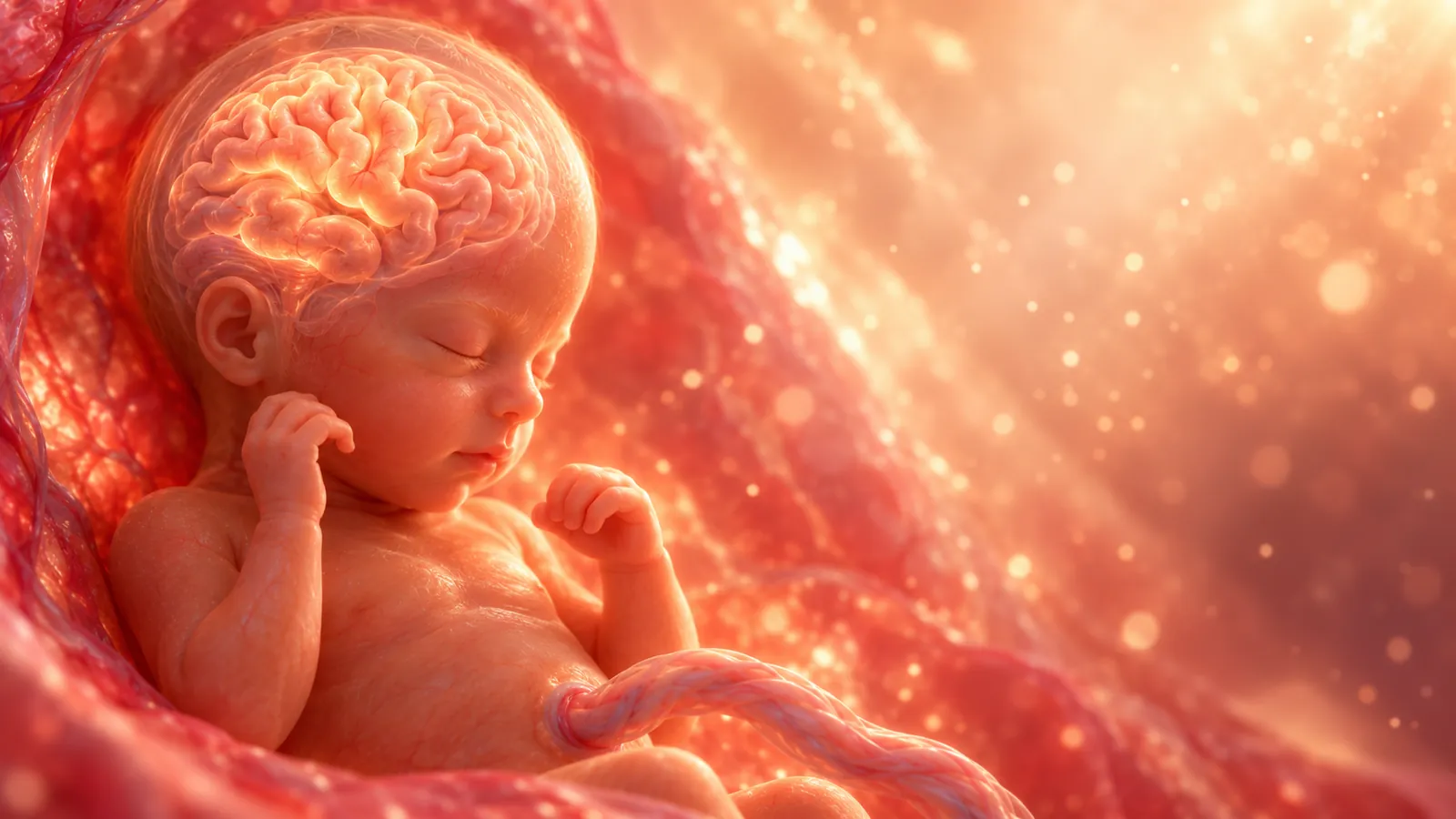
25 Weeks Pregnant: The Week Your Baby's Brain Begins to Fold
Last week, your baby started to answer you back. This week, deep inside that busy little head, the brain takes on the shape it will keep for life. It begins to fold.
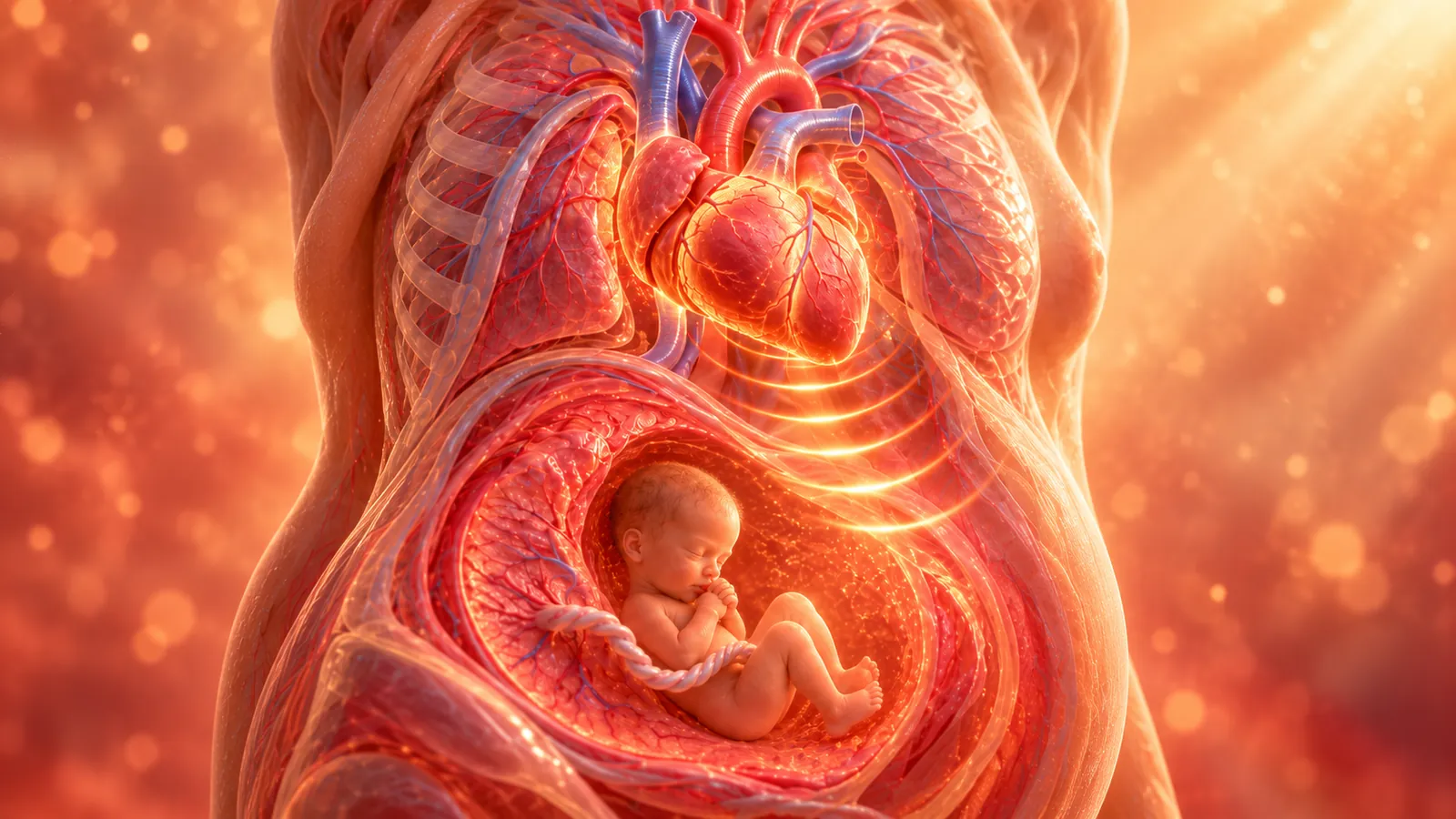
27 Weeks Pregnant: The Week Your Baby Starts Learning You by Heart
Last week, your baby started filling out. This week, you cross into the final stretch, and your baby begins to do something profound. Not just to hear you, but to know you,...
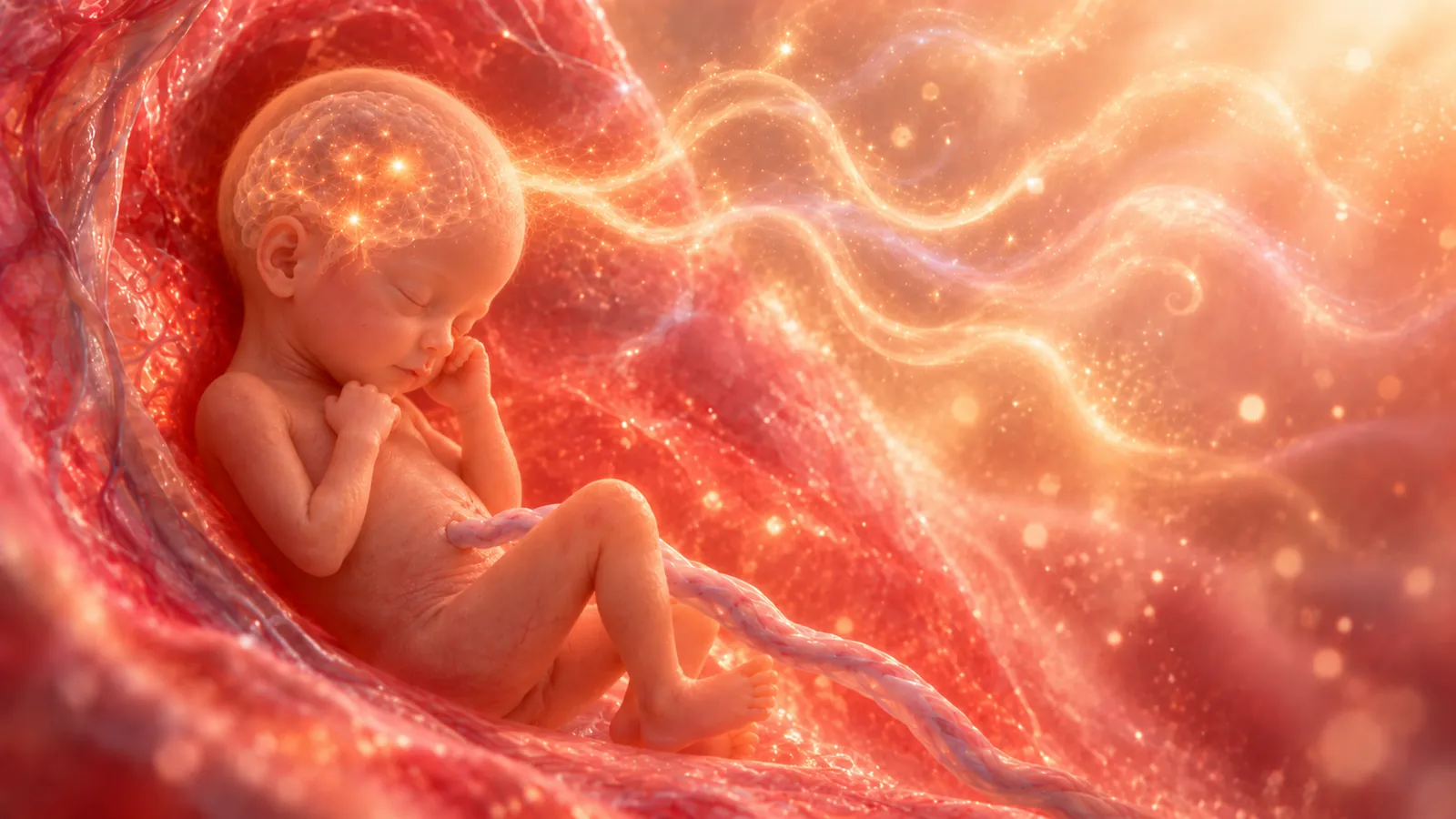
24 Weeks Pregnant: The Week Your Baby May Start Dreaming
Last week, your baby's lungs began getting ready to breathe. This week, something even more wonderful happens between the two of you. Your baby starts to answer.
Want to keep following your pregnancy week by week?
Track your pregnancy, follow your baby’s development and find support for the questions that come up along the way in The Mama Years.
Open The Mama Years