27 Weeks Pregnant: The Week Your Baby Starts Learning You by Heart
Last week, your baby started filling out. This week, you cross into the final stretch, and your baby begins to do something profound. Not just to hear you, but to know you,...
Reviewed by Courtney Garland, NICU Registered Nurse, IBCLC Lactation Consultant and Paediatric Sleep Consultant
Last week, your baby started filling out. This week, you cross into the final stretch, and your baby begins to do something profound. Not just to hear you, but to know you, and to keep you.
Welcome to week twenty-seven, the start of the third trimester. Your baby can now pick your voice out from all the world's sounds, and is beginning to learn and remember the things they hear most. Let me show you.
Welcome to the third trimester
You made it. This week you step into the third and final trimester, the home straight.
Two trimesters are behind you now, with all their wonders, and ahead lies the last stretch of growing, strengthening, and getting ready, for your baby and for you. From here, it is mostly about your baby putting on weight, fine-tuning everything they have built, and quietly preparing to meet you. The finish line, and your baby, are finally in sight.
Your baby is learning you by heart
Your baby has been able to hear for a while now. But this week, at the start of the third trimester, something deeper begins. Your baby starts to learn.
Hearing is fully switched on, and your baby can now pick out your voice from any other sound in the world, the one voice that has been with them, carried through your own body, since their ears first worked. But it goes further than recognising. Your baby is beginning to remember.
This has been shown in the loveliest studies. Mothers who read the same story aloud, again and again, through the final weeks of pregnancy had babies who, once born, recognised that very story and preferred it over a brand new one. Babies arrive already soothed by the particular lullaby their mother sang most, by the rhythm of the language she speaks, by the sound of her voice above all others. And these memories grow stronger through the third trimester, the more often your baby hears something now.
Think about what that means. The first thing your baby is learning by heart, in the most literal way there is, is you. The voice, the songs, the stories you share in these weeks are quietly becoming home, so that when your baby finally arrives into the bright and startling world, your voice will already mean one thing. Safe.
A brain at full tilt
None of this learning would be possible without the astonishing thing happening in your baby's head.
The brain is busier this week than it has ever been, firing and connecting and organising itself at a tremendous rate, its activity now rippling in the patterns of a newborn's sleeping and waking brain. Every familiar song your baby tucks away, every flicker of recognition at your voice, is that brand new brain doing exactly what it was built to do. Learning. Remembering. Getting ready to know you.
How big is my baby at 27 weeks?
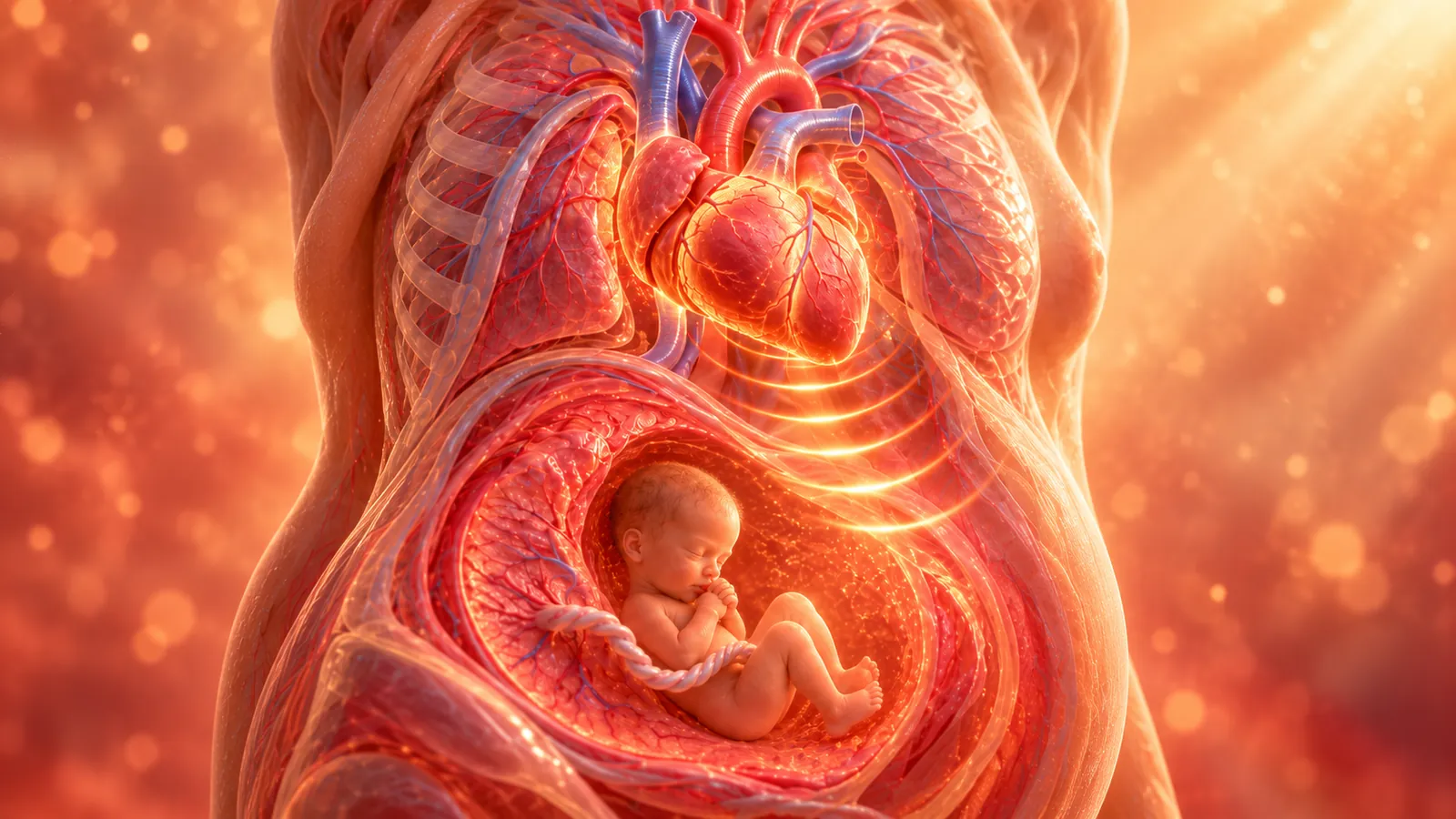
Around thirty-six to thirty-seven centimetres now, head to heel, and getting close to a kilogram. Your baby is filling out steadily, looking rounder and more finished, and running short on room, so the kicks, rolls, and hiccups are unmistakable now.
Listening, learning, and growing by the day.
What is happening in my body?
Welcome to the third trimester in your body too, which often makes itself known around now.
You may notice the tiredness of those early weeks creeping back, along with a few new companions, a bit of breathlessness as your baby presses upward, some heartburn, an achy back, swollen ankles by the end of the day. None of it is much fun, but all of it is normal and temporary. Rest when you can, prop yourself up with as many pillows as it takes, keep your water close, and lean on the people around you. You are carrying precious cargo, and you are allowed to slow right down.
From Courtney. There is a song I sang to all four of mine before they were born, the same one, over and over, hand on my bump. And every single time, in those first wild, exhausting newborn weeks, that song could settle them when almost nothing else would. They knew it. They had been hearing it for months, in the dark, in my voice, and it meant safe. That is what this week is really about. Your baby is no longer simply hearing you. Your baby is beginning to learn you, to know your voice from any other in the world, and to hold onto it. So sing, mama, even if you are certain you cannot. To your baby, yours is the most beautiful voice there is, and they are already learning it by heart.
The one thing to do this week
This week, why not pick one thing, a song, a rhyme, a few lines of a favourite book, and make it your baby's. Sing it or say it now and then over these coming weeks, whenever it feels nice, in the bath, in the car, at bedtime. There is good evidence that babies come to know and take comfort in the sounds they hear often before birth, so the little tune you choose now may turn out to be the very one that soothes them at three in the morning down the line.
There is no pressure at all to do it perfectly or often, and a partner or big sibling can have their own song too. And whenever you need to, rest. Even a bit of quiet humming counts.
Coming up in week twenty-eight
Next week, your baby's brain takes another great leap, growing so quickly that its surface deepens into ever more folds and grooves. Your baby is dreaming away in long stretches of sleep, and beginning to blink those new eyes at light and shadow.
Week twenty-eight is where your baby's mind really comes alive. I will see you there.
The Mama Years. 2026.
You might also like
26 Weeks Pregnant: Your Baby Is Starting to Look Like a Newborn
Your baby has spent months building all the tiny pieces of themselves.

25 Weeks Pregnant: The Week Your Baby's Brain Begins to Fold
Last week, your baby started to answer you back. This week, deep inside that busy little head, the brain takes on the shape it will keep for life. It begins to fold.

24 Weeks Pregnant: The Week Your Baby May Start Dreaming
Last week, your baby's lungs began getting ready to breathe. This week, something even more wonderful happens between the two of you. Your baby starts to answer.
Want to keep following your pregnancy week by week?
Track your pregnancy, follow your baby’s development and find support for the questions that come up along the way in The Mama Years.
Open The Mama Years