

4 Weeks Pregnant: The Week Your Baby Announces Itself
For three weeks, your body has been keeping the most extraordinary secret. This is the week it finally lets you in on it.
Reviewed by Courtney Garland, NICU Registered Nurse, IBCLC Lactation Consultant and Paediatric Sleep Consultant
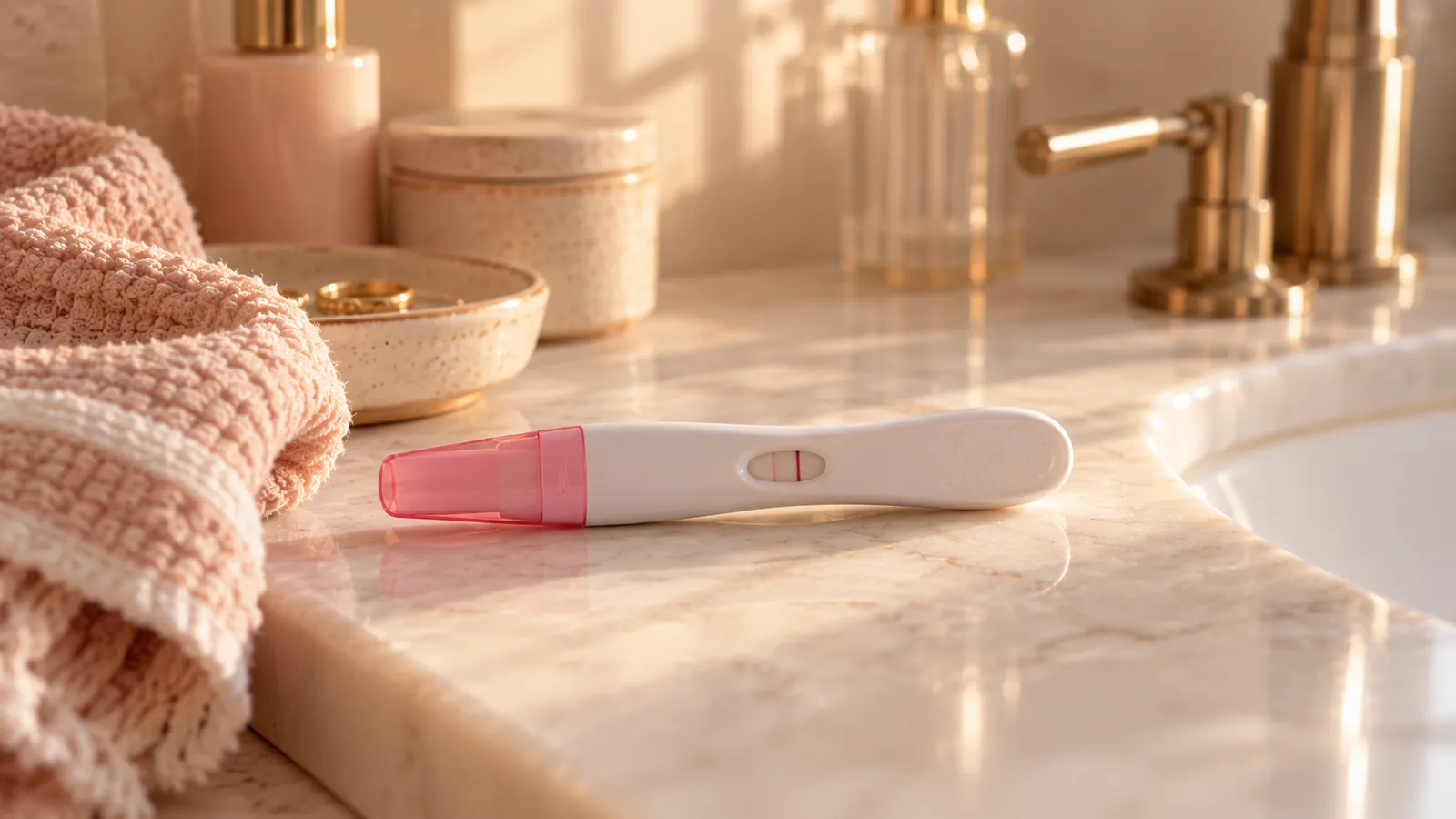
Somewhere around now, often right as your period is due and then does not come, a faint second line can surface on a test. And the reason it appears, what that little line actually is, might be the loveliest fact in all of early pregnancy. Let me tell you what your baby just did.
Your baby finishes settling in
At the very end of last week, that tiny ball of cells found the soft lining of your womb and began to burrow in. This week, it finishes, nestling all the way into the place where it will spend the whole of the next eight months.
And it does something quietly astonishing as it settles. It reaches into the wall of your womb and taps into your blood supply, opening the very first connection between your body and your baby's. From this week on, the two of you are joined. Some women notice a little light spotting as this happens, called implantation spotting. Many notice nothing at all, and both are completely normal.
Your baby's first message to you
This is the part that gets me, every single time.
The moment your baby settles into the wall of your womb, it does something. It sends out a hormone, hCG, and that hormone slips into your bloodstream carrying one quiet, urgent message. I am here. Please do not let the period come.
And your body listens. The hCG tells it to hold on to the soft lining it would normally shed, so the period that should have arrived this week simply does not. Sit with that for a second. The very first thing your baby ever does, before it has a heart or a face or a name, is reach out to you and ask you to keep it safe. And your body, without you doing a single thing, answers. Yes. Stay.
And that same hormone is the exact thing a pregnancy test is built to find. So when that second line surfaces, faint and pink and impossible, you are not really looking at a test at all.
You are reading the first message your baby has ever sent you, loud enough to show up on a little strip of paper in your bathroom.
So can the test finally say yes?
Around now, yes, it can.
Once your baby starts making hCG, the level climbs fast, roughly doubling every couple of days. By the time your period is due, there is usually enough for a home test to pick it up. That is why the days around your missed period are the sweet spot.
Test much earlier and the level can still be too low, giving you a no when the real answer is yes. So if you tested early, got a negative, and your period still has not come, it is well worth testing again in a few days. The hormone may simply have needed time to climb.
How big is my baby at 4 weeks?
Tiny. By the end of this week, your baby is roughly two millimetres long, no bigger than a pinhead.
But do not let that fool you. Inside that little speck, the first foundations are already being laid, the basic layers that absolutely everything else will be built from. Over the next couple of weeks, those layers begin to fold and shape themselves into a brain, a spine, a heart. The building site is open, and the very first beams are going in.
Is it normal to feel nothing? Or to suddenly feel everything?
Both, truly.
Some women feel completely normal at four weeks. Others, as the hormones start to climb, notice the first little whispers. Tender breasts. A wave of tiredness out of nowhere. A strange metallic taste, or suddenly going off a food they used to love. The famous nausea, if it visits at all, usually arrives a bit later.
If you feel nothing yet, please do not read anything into it. Plenty of symptoms and almost no symptoms can both sit happily alongside a perfectly healthy pregnancy.
From Courtney. If you have just seen those two lines, can I tell you what I did when I first saw mine? My mind instantly raced back through everything I had done in the weeks before I knew. The wine at a dinner. The strong morning coffees. The workout I pushed way too hard through. I think almost every one of us does this, and I want you to gently put it down. You cannot protect a pregnancy you did not know was there, and these earliest weeks are far sturdier than the worry in your head is telling you. If something specific is weighing on you, your doctor or midwife is the one to ask, and they will never judge you for it.
And if you are sitting there a little stunned, wanting to understand how on earth you got here, come back to the very beginning with me. Here is what your body was quietly doing in the weeks before you had any idea.
The one thing to do this week
Two small things, and both are gentle.
If you are already taking folate, keep going, every single day. And if you are only just starting it, that is exactly the right move and right on time, because most women begin the moment they find out, just like you. And now that you know, book in with your doctor or midwife. You do not need to be seen this very week, but getting that first appointment into the diary is the one practical thing that matters now. They will guide you through everything from here.
And if you are not ready to tell a soul yet, that is completely fine. This can stay your quiet secret for as long as you want it to.
Coming up in week five
Next week, the building truly begins. Your baby lays down the neural tube, the very first version of the brain and spinal cord, and it is one of the most important structures of the entire pregnancy.
And then, by the end of that very same week, your baby does the most astonishing thing of all. It grows a heart, and that heart begins to beat. Week five is where your baby truly comes to life. I will see you there.
The Mama Years. 2026.
You might also like
3 Weeks Pregnant: The Week You Might Quietly Become a Mother of Two
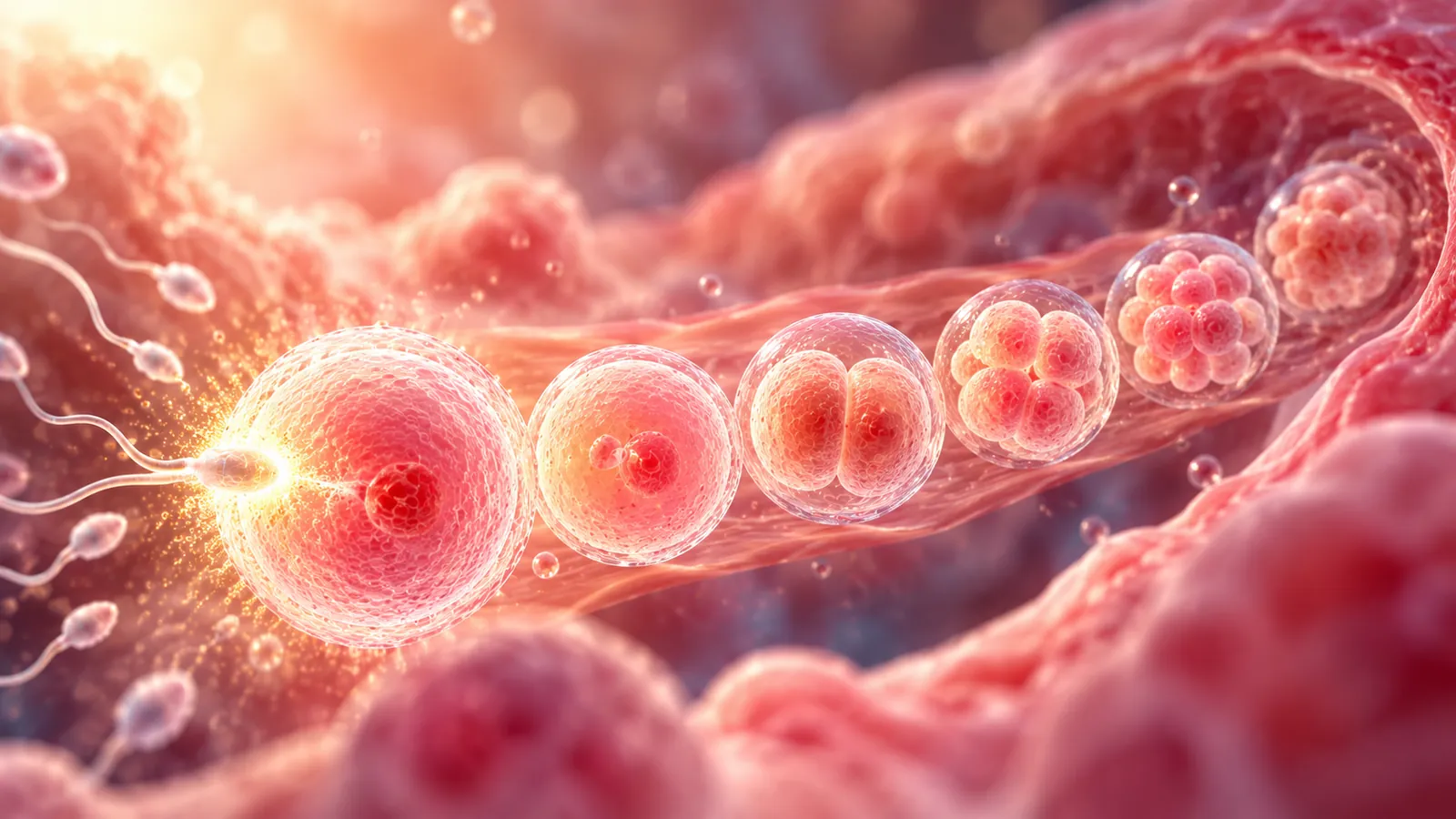
Last week ended on a cliffhanger. The race was won, and one tiny sperm was pressed against the egg, about to break through.
5 Weeks Pregnant: The Week the Heart Starts to Beat
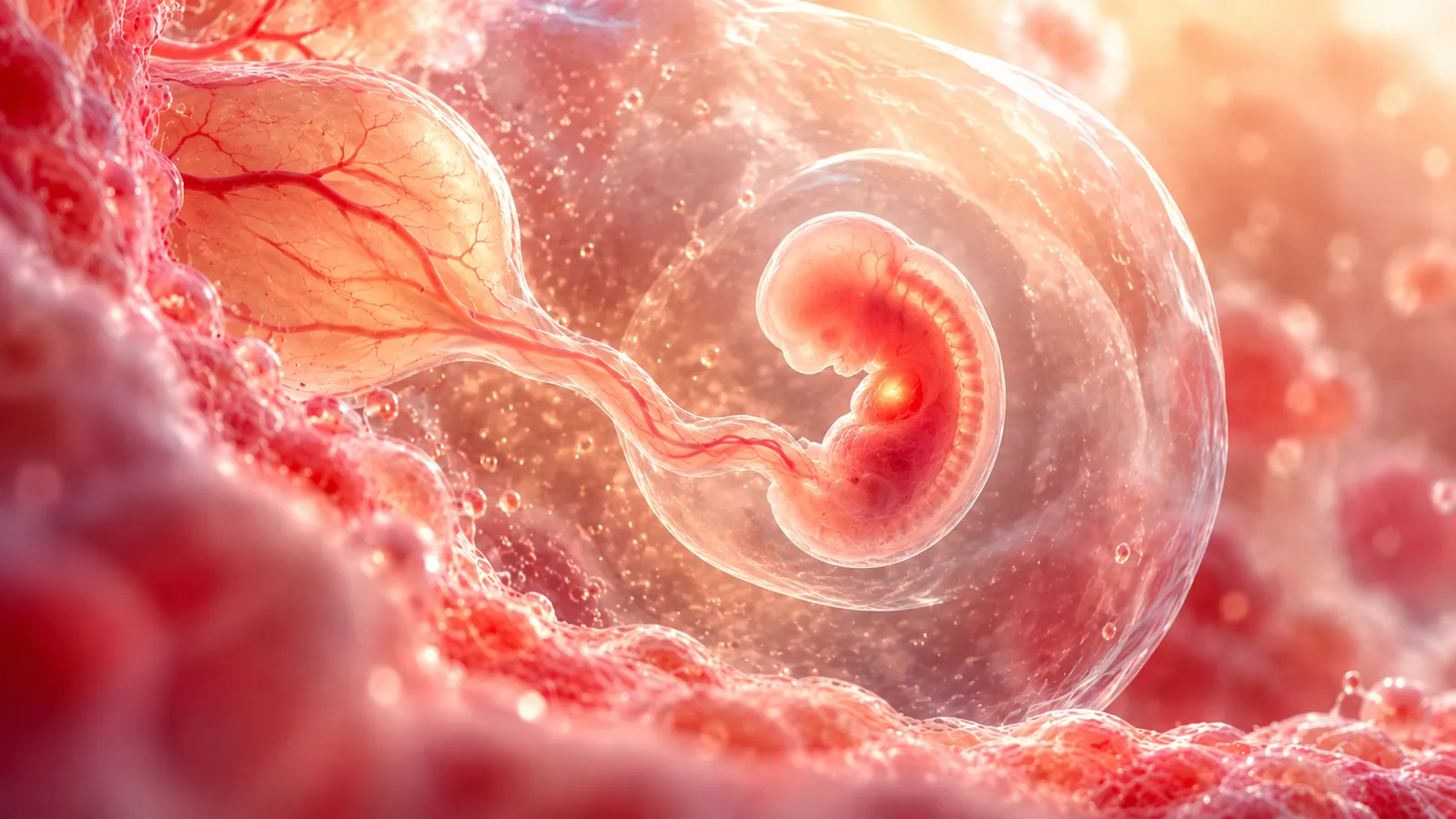
Last week, you saw the line. This week, your baby grows a heart, and it starts to beat.
2 Weeks Pregnant: The Greatest Race You Will Never See
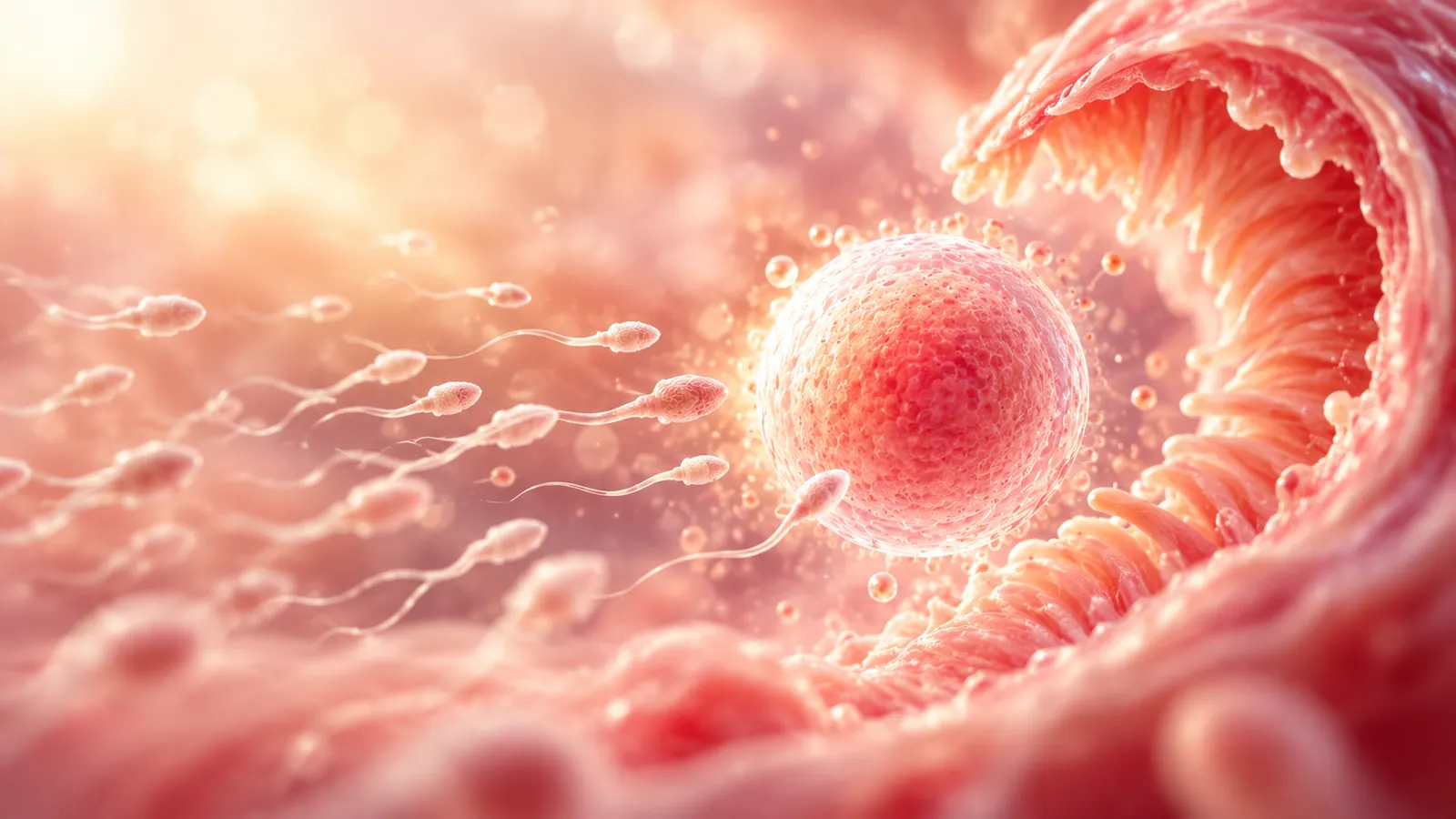
Last week, the egg waited. This week, it is finally set free, and the most extraordinary race in all of nature begins.
Want to keep following your pregnancy week by week?
Track your pregnancy, follow your baby’s development and find support for the questions that come up along the way in The Mama Years.
Open The Mama Years