



Caesarean Birth Recovery: What to Expect in the First 6 Weeks
Recovering after a caesarean? Learn about incision care, pain, breastfeeding positions, walking, driving and healing in the first six weeks.
Reviewed by Courtney Garland, NICU Registered Nurse, IBCLC Lactation Consultant and Paediatric Sleep Consultant
Your baby is finally here, and while you're soaking up those beautiful newborn cuddles, your body is also recovering from major abdominal surgery.
And that's quite a lot to manage while you're caring for a newborn!
As a NICU nurse and IBCLC, I've supported mothers after caesarean births, and I always encourage them to be kind to themselves during recovery.
Some mothers feel surprisingly well quite quickly, while others need more time.
Let's talk about what those first six weeks can look like and how to make recovery a little more comfortable.
What will the first 24 to 48 hours feel like?
Your maternity team will monitor your bleeding, pain, blood pressure and surgical wound while your anaesthetic wears off.
You'll usually have a urinary catheter for a while, and your team will help you start moving when it's safe.
Getting out of bed for the first time can feel daunting, so don't hesitate to ask for help.
And please keep on top of your pain relief. Being comfortable enough to move, rest and hold your baby is an important part of recovery.
Why does standing up, coughing or laughing hurt?
Your abdominal tissues need time to heal, so everyday movements like getting out of bed, sneezing or even laughing can feel surprisingly uncomfortable!
Try rolling onto your side before pushing yourself up from bed rather than sitting straight up.
Holding a small pillow gently against your abdomen when coughing or laughing may also help.
If your pain isn't well managed, let your maternity team know.
How do I care for my caesarean incision?
Your maternity team will explain how to care for your dressing and stitches, staples or skin glue.
Generally, you'll be advised to keep the area clean and gently dry it after washing, following your team's instructions.
Loose, high-waisted underwear can help prevent clothing rubbing against your incision.
You may also notice numbness, tingling or altered sensation around your scar as the nerves and tissues heal.
Increasing redness, swelling, pain, discharge, an unpleasant smell or a wound that starts opening should be checked promptly.
Why am I bleeding if I didn't give birth vaginally?
This can really surprise mothers!
Even after a caesarean, you'll usually experience vaginal bleeding called lochia.
That's because the bleeding comes from your uterus as it heals after the placenta separates, regardless of how your baby was delivered.
You may also experience uterine cramps, particularly when breastfeeding.
Use maternity pads or postpartum underwear while you're healing, and seek urgent care if bleeding becomes very heavy or you feel faint.
What about trapped wind and constipation?
After surgery, your bowels can temporarily slow down, leaving you feeling bloated, uncomfortable or constipated. Some pain medications can make this worse.
Gentle walking, fluids and eating when you're able can help.
If you're struggling, ask your maternity team about suitable medication to soften your stools.
Severe abdominal pain, persistent vomiting or significant bloating should be assessed promptly.
How can I breastfeed comfortably after a caesarean?
As an IBCLC, this is something I really want mothers to know.
You don't have to position your baby directly across your sore incision to breastfeed!
The football hold, sometimes called the rugby hold, can help keep your baby's weight away from your abdomen.
Side-lying feeding may also be comfortable once you can position yourself safely. Pillows can help support your arms, back and baby.
If breastfeeding feels uncomfortable or you're struggling to get a good latch, please don't struggle through it alone. Sometimes a little help with positioning makes such a difference.
And if you'd like more guidance, you'll find helpful videos and lessons inside The Mama Years app library, showing you how to achieve a comfortable latch and work through common feeding problems, including pain.
You can also ask Nurse Courtney questions about anything inside the app whenever you need extra support.
If feeding continues to hurt or you're concerned about your baby's milk intake, please reach out to an IBCLC or healthcare professional for an in-person feeding assessment.
When can I return to normal activities, exercise and intimacy?
Recovery takes time, and there's no need to rush.
Gentle walking is usually encouraged when safe because it helps circulation and reduces the risk of blood clots.
Before returning to heavy lifting, running or higher-impact exercise, I'd recommend having your recovery assessed and getting clearance from your healthcare professional.
You may also need help lifting older children, carrying shopping or managing household jobs while you heal.
Before driving again, check that you can move comfortably, perform an emergency stop safely and aren't affected by medication. Follow your healthcare professional's advice and local driving or insurance requirements.
And when you're thinking about being intimate again, there's no need to rush. Your postnatal check, usually around six weeks, is a good opportunity to discuss how you're healing.
Even when you've healed physically, you may not feel mentally or emotionally ready, and that's okay. If you are breastfeeding it can also cause vaginal dryness, so lubrication may help.
And please know, you can become pregnant before your first period returns, so it's worth discussing contraception.
Remember, recovery isn't a race, and six weeks isn't a deadline.
What should recovery feel like by six weeks?
Many mothers feel considerably better by six weeks, but healing continues beyond this point.
Your incision may feel more comfortable while deeper tissues are still recovering.
Pregnancy can also affect your pelvic floor, even after a caesarean. If you're experiencing leaking, heaviness or other symptoms, ask for an assessment.
Your postnatal check is a chance to discuss your wound, pain, movement and emotional wellbeing. But don't wait for that appointment if something feels wrong.
Fever, worsening wound symptoms or heavy bleeding need prompt assessment. Chest pain, difficulty breathing or painful swelling in one leg require urgent medical attention.
And while you're recovering, please accept the help that's offered.
Let someone bring you meals, carry the laundry basket or take care of the house while you spend time with your baby.
You've just had a baby and major surgery, and you deserve time, care and support while your body heals.
Read next
• Your First 24 Hours After Birth: What's Happening to Your Body?
You might also like
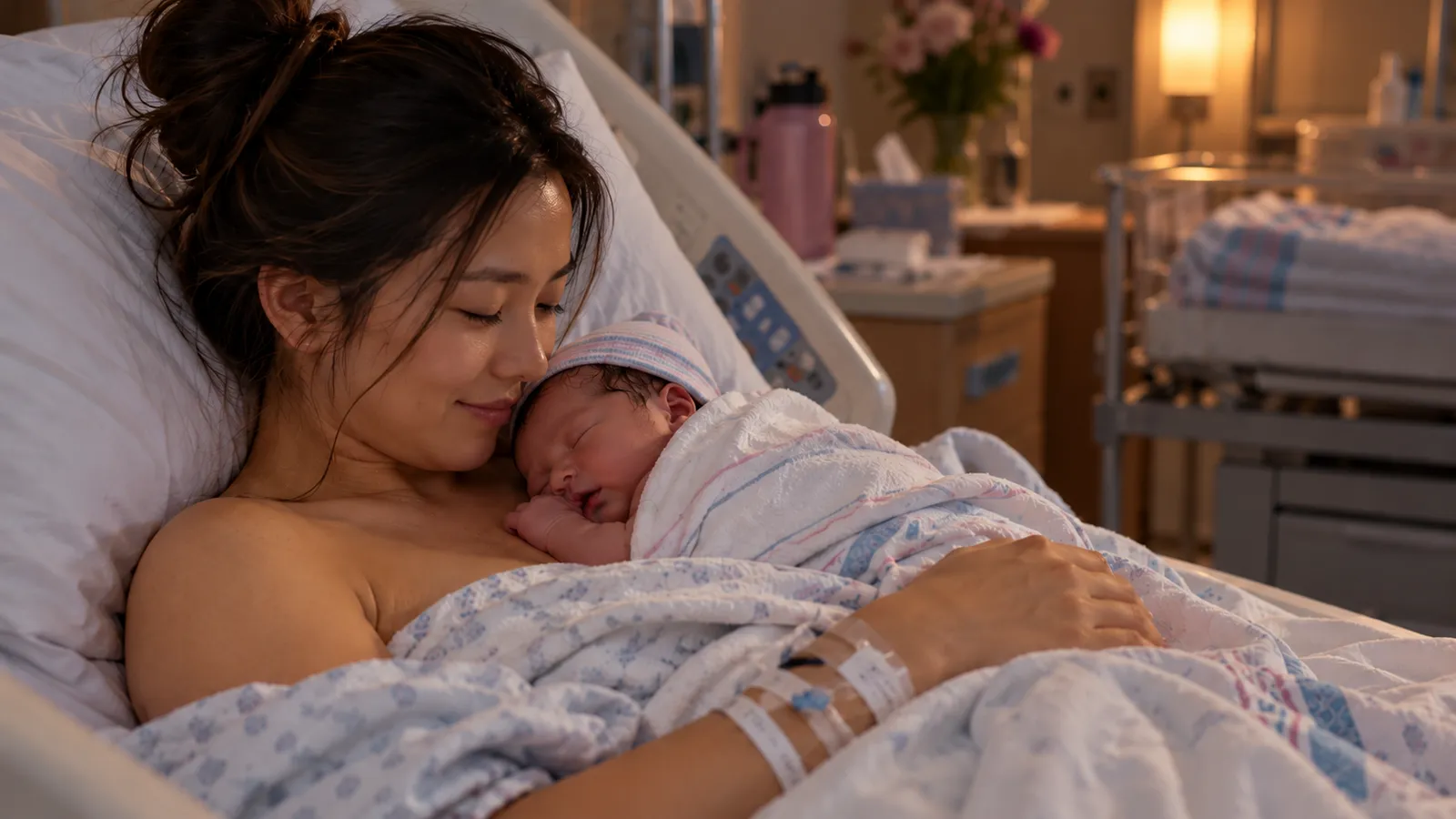
Your Baby's First 24 Hours: What to Expect
What happens in your baby's first 24 hours? Understand skin to skin, Apgar scores, first feeds, nappies, newborn checks and sleep.
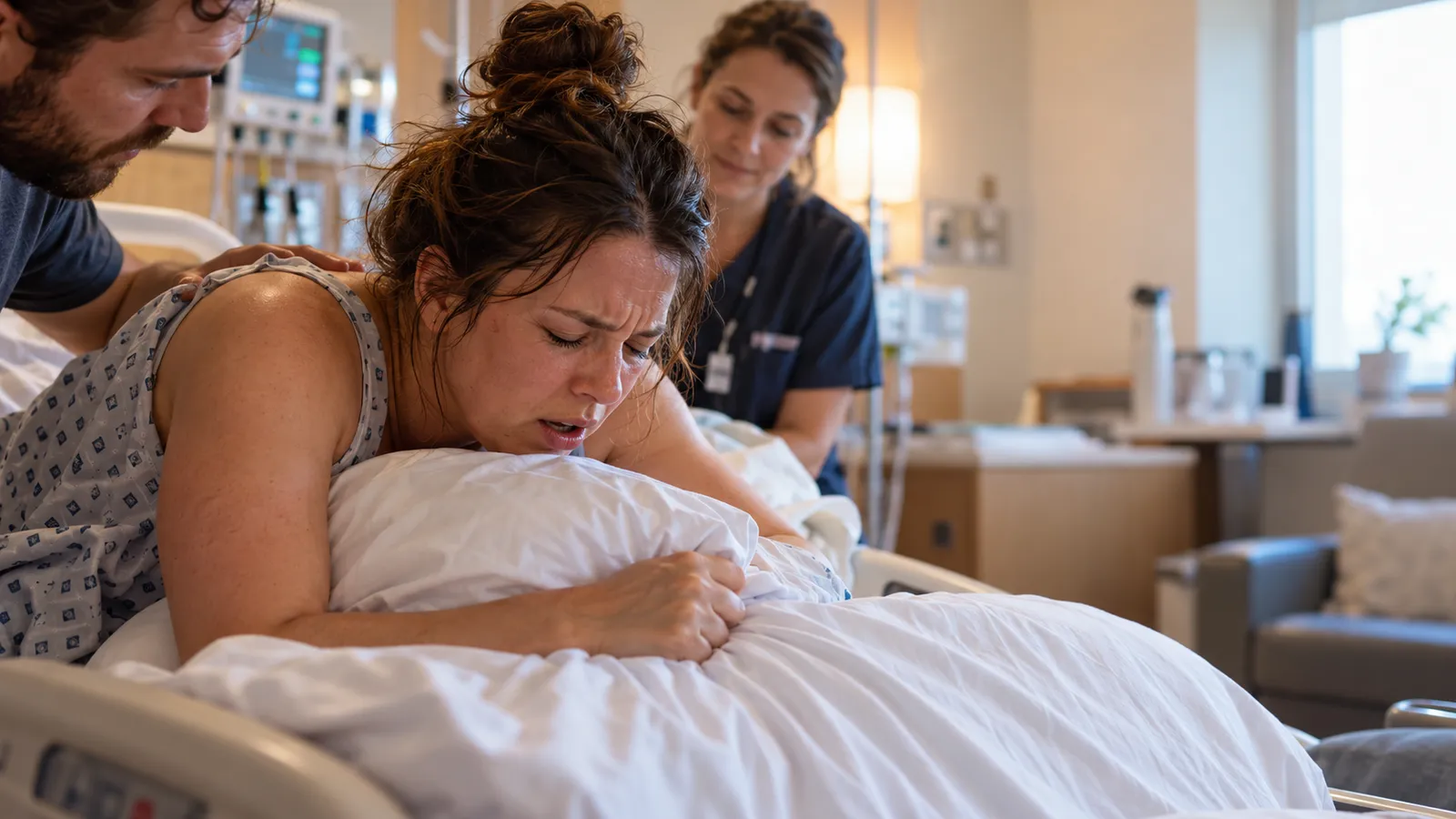
What Transition in Labour Actually Feels Like
What does transition in labour feel like? Learn about intense contractions, pressure, emotions and what can help you through it.
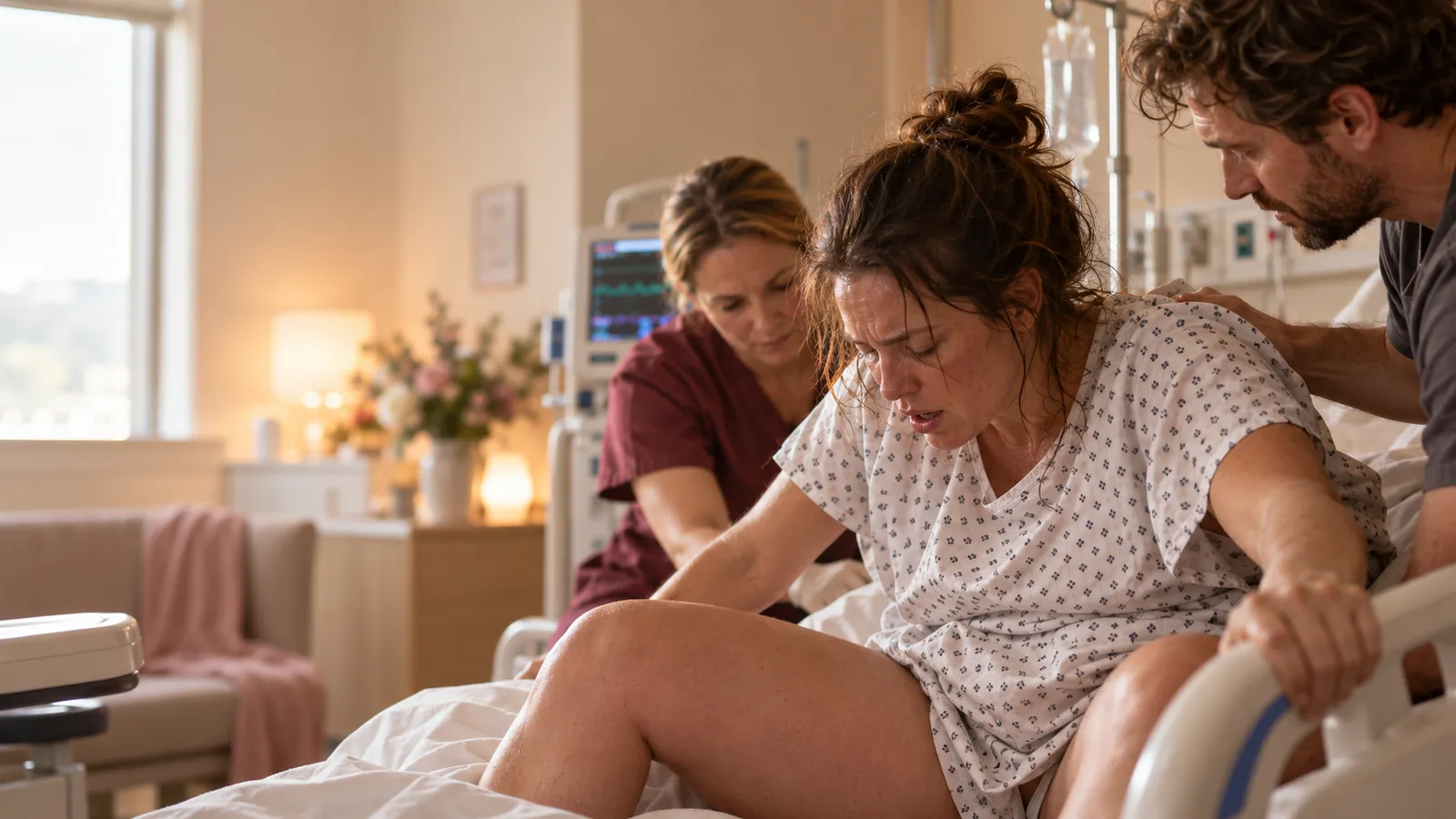
Pushing in Labour: What to Expect
What does pushing in labour feel like? Learn about pressure, pushing positions, crowning and why feeling like you need to poo is normal.
Getting ready for birth?
Follow your pregnancy to the very end, get ready for labour and birth, and find support for the questions that come up along the way in The Mama Years.
Open The Mama Years