



Your First 24 Hours After Birth: What's Happening to Your Body?
What happens to your body in the first 24 hours after birth? Learn about bleeding, afterpains, soreness, shaking, sweating and recovery.
Reviewed by Courtney Garland, NICU Registered Nurse, IBCLC Lactation Consultant and Paediatric Sleep Consultant
Those first 24 hours after having a baby are such a special little bubble.
With each of my four babies, I absolutely loved having that one-on-one time with Brendan, soaking up our newest little person, enjoying endless cuddles and doing as much skin to skin as possible.
But something I wasn't quite prepared for after my first birth was how my body would feel!
I expected to be sore down below, but my eyes were puffy from pushing, my back was aching, and even my arms were sore.
It felt like I'd done the biggest workout of my life!
So let's talk about what's actually happening to your body in those first 24 hours, because there's quite a lot going on while you're getting to know your baby.
What happens to my body immediately after birth?
Once your baby arrives, your maternity team is still looking after you.
After the placenta is delivered, they'll monitor your bleeding, blood pressure, pulse and how well your uterus is contracting.
They'll also check any tears, stitches or surgical wounds, help you manage pain and make sure you're able to pass urine.
Even when everything is going beautifully, these checks are important to make sure you're recovering well.
Why does someone keep pressing on my tummy?
This is one of those things nobody warns you about!
Your maternity team will feel your abdomen to check that your uterus is firm and contracting.
After the placenta separates, your uterus needs to contract to help control bleeding from where the placenta was attached.
Sometimes these checks can feel quite uncomfortable, especially when you're already sore.
If your uterus isn't contracting firmly enough, your team may massage it or give medication to help.
How much bleeding is normal after birth?
Bleeding after birth is called lochia.
It's usually heavier and bright red in the beginning, then gradually becomes lighter over the following days and weeks.
Your maternity team will check your bleeding regularly, particularly during those first few hours.
If your bleeding suddenly becomes very heavy, you're passing large clots or you feel faint or unwell, tell your maternity team immediately.
Why am I still having contractions?
These cramps are called afterpains, and I have to tell you, I really didn't enjoy them!
They're caused by your uterus contracting as it begins returning towards its pre-pregnancy size.
For me, they became noticeably stronger with each baby. By babies three and four, they were incredibly painful.
And breastfeeding can make them stronger temporarily because it releases oxytocin, which helps your uterus contract.
Ask your maternity team about suitable pain relief. You don't have to just put up with them.
Why does my whole body feel sore?
Birth can be a massive physical workout, especially if you've spent a long time labouring or pushing.
Your back, arms, shoulders and abdominal muscles may all feel sore afterwards.
After my first baby, I remember looking in the mirror and being surprised by how puffy my eyes looked from pushing!
You may also have swelling, bruising or tenderness around your perineum, particularly if you've had tearing or stitches.
Cold packs and a peri bottle were two things I found especially helpful.
Why am I shaking after giving birth?
Some mothers experience shaking or shivering during or shortly after birth, even when they're not cold.
It can happen as your body adjusts after labour, and it can feel quite surprising if nobody has warned you!
Let your maternity team know if you're shaking so they can check you're doing okay, especially if you also feel unwell or have a fever.
Why am I sweating so much, and still look pregnant?
Something else that can catch mothers by surprise is how much their bodies continue changing after birth.
You might find yourself feeling hot, sweaty or waking up with damp pyjamas as your hormones shift and your body begins getting rid of extra pregnancy fluid. For many mothers, night sweats become more noticeable over the following days.
And your tummy doesn't suddenly disappear the moment your baby arrives!
Your uterus is still much larger than it was before pregnancy, your abdominal muscles have stretched, and your body needs time to recover.
So if you look down after giving birth and think, "Why do I still look pregnant?" that's completely understandable.
Your body has spent nine months growing a baby. It takes time to return to its pre-pregnancy shape overnight.
If sweating comes with a fever, chills or feeling unwell, let your maternity team know so they can check for infection.
What if breastfeeding hurts?
Breastfeeding can take some getting used to, but persistent pain isn't something you should be expected to tolerate.
With my third baby, breastfeeding was incredibly painful at first. She had a tongue tie and lip tie, and I remember how much those early feeds hurt.
As an IBCLC, I'd encourage you to ask for help with positioning and latch as soon as something doesn't feel right. A thorough feeding assessment can help identify what's causing the pain and what support you need.
Inside The Mama Years Premium, I've also created breastfeeding videos showing you how to achieve a comfortable latch and troubleshoot common problems.
And you can ask AI Courtney your breastfeeding questions when you need extra guidance.
When will I be able to shower and get out of bed?
This depends on how you're feeling, your bleeding, the anaesthetic you've had and how your birth went.
Your maternity team will help you get up safely when you're ready.
And something that might surprise you is that your first wee can feel a little strange!
You might find it difficult to go, especially if you've had an epidural, swelling or stitches. Your team will want to make sure your bladder is emptying properly.
A peri bottle with warm water can also help reduce stinging if you're feeling sore down below.
And if you're nervous about your first poo, that's understandable too. Ask your maternity team how to keep things comfortable and avoid straining.
Honestly, that first shower and a change into clean clothes always made me feel so much more human!
Is it normal to feel emotional or overwhelmed?
Absolutely.
You might feel happy, relieved, exhausted, tearful or a mixture of everything.
Your hormones are changing, your body is recovering, and you're getting to know this beautiful little person you've just brought into the world.
I loved those quiet moments with Brendan and each new baby. There was something so special about having that time together before heading home to the busyness of family life.
But if you're feeling overwhelmed, anxious or upset about your birth, please talk to someone. You deserve support too.
And while some discomfort is expected after birth, please tell your maternity team if something feels wrong or you're becoming unwell. Symptoms such as chest pain, difficulty breathing or a severe headache with vision changes need urgent medical attention.
Most importantly, while everyone is admiring your beautiful new baby, you've just given birth too.
Eat something, drink some water, enjoy those cuddles and let people look after you.
You deserve that care just as much as your baby does.
Read next
• Your Baby's First 24 Hours: What to Expect
• Vaginal Birth Recovery: What to Expect in the First 6 Weeks
• Caesarean Birth Recovery: What to Expect in the First 6 Weeks
You might also like
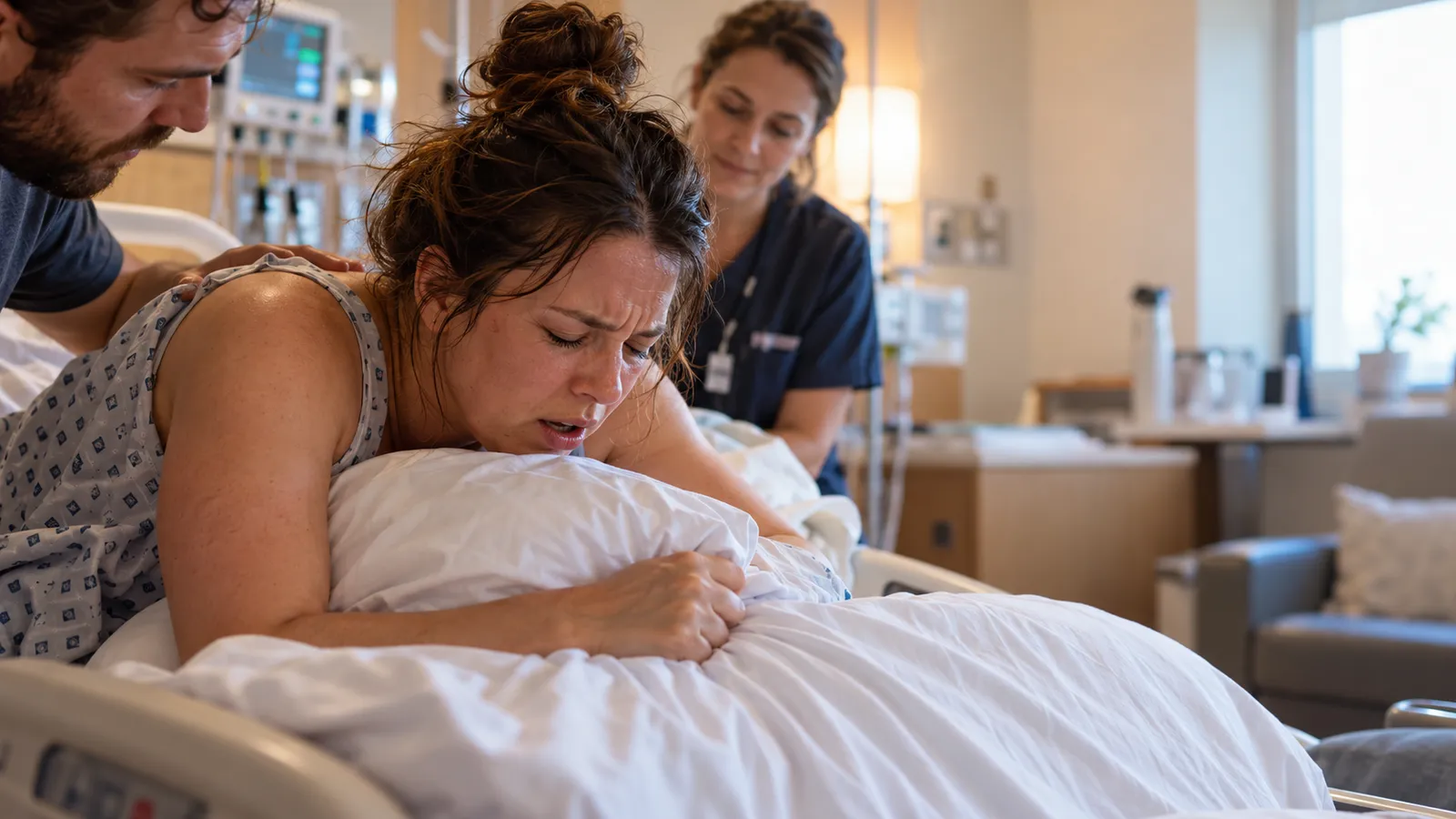
What Transition in Labour Actually Feels Like
What does transition in labour feel like? Learn about intense contractions, pressure, emotions and what can help you through it.
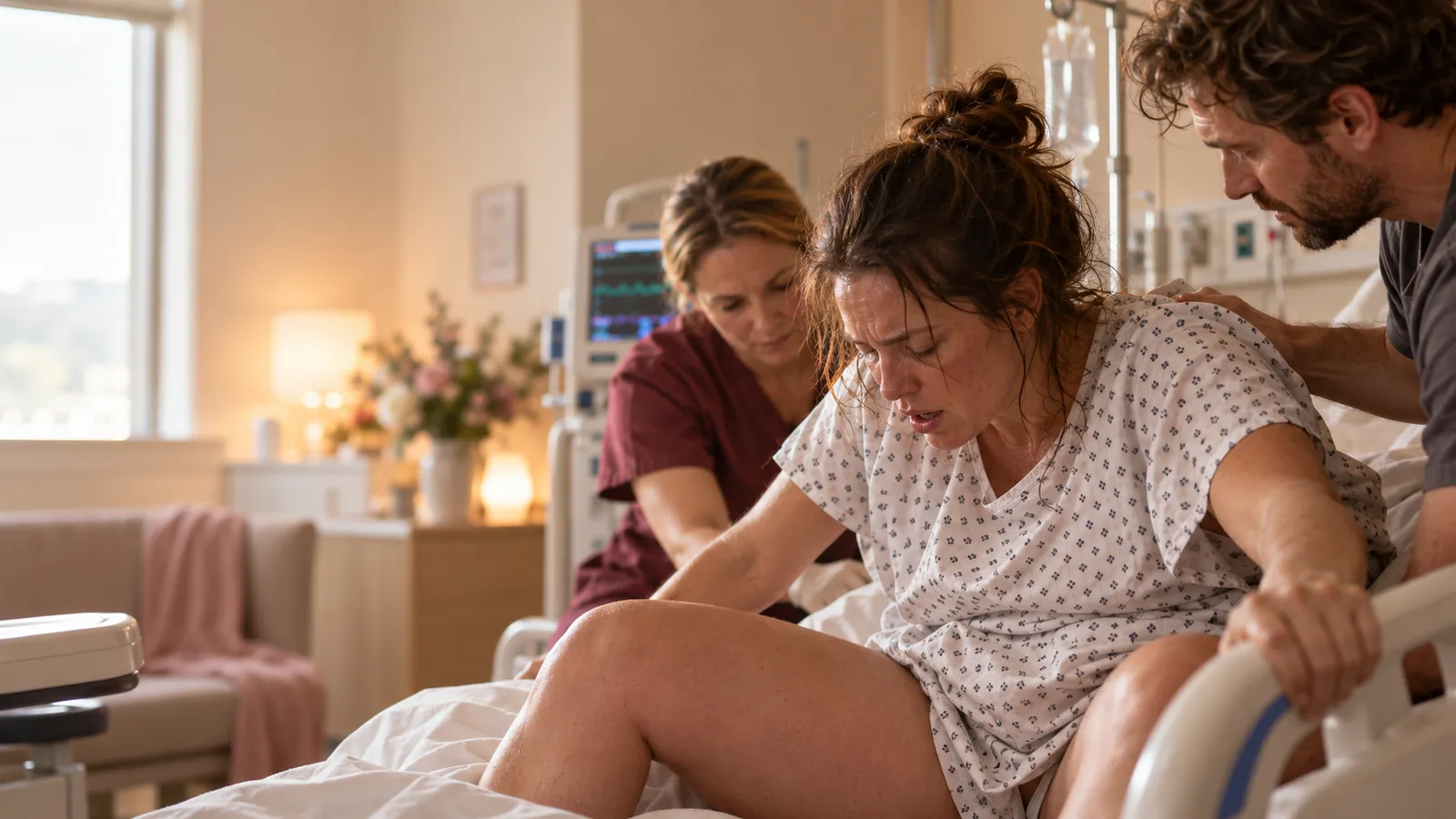
Pushing in Labour: What to Expect
What does pushing in labour feel like? Learn about pressure, pushing positions, crowning and why feeling like you need to poo is normal.
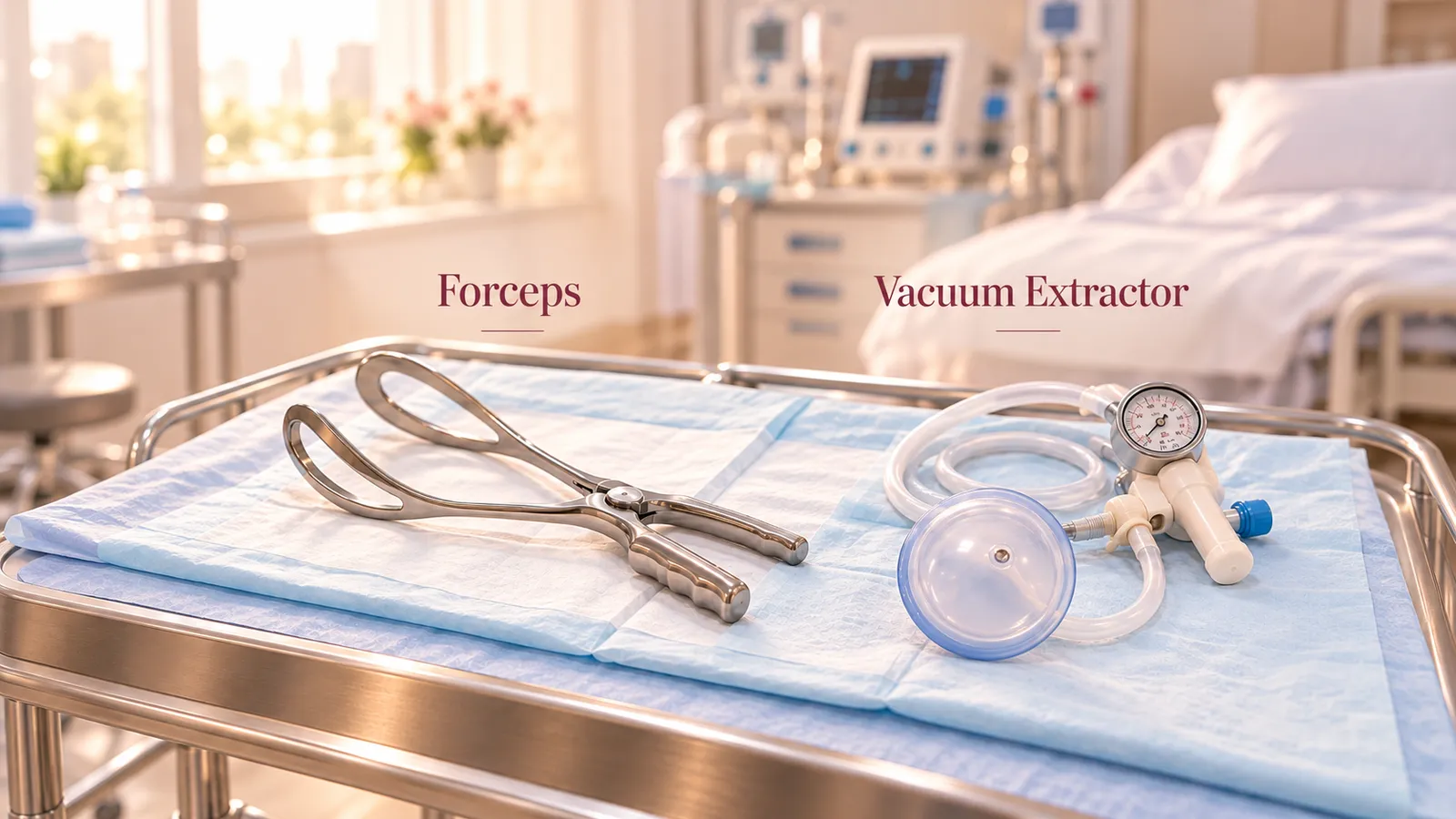
Instrumental Birth: Forceps and Vacuum
Why might forceps or vacuum be needed? Learn what happens during an assisted vaginal birth, what to expect afterwards and how recovery can feel.
Getting ready for birth?
Follow your pregnancy to the very end, get ready for labour and birth, and find support for the questions that come up along the way in The Mama Years.
Open The Mama Years