



Waters Breaking: What Happens Next?
A gush, trickle or tiny pop? Learn what your waters breaking can feel like, what to look out for and when to contact your maternity team.
Reviewed by Courtney Garland, NICU Registered Nurse, IBCLC Lactation Consultant and Paediatric Sleep Consultant
My waters broke completely differently across my births!
With my first baby, they were broken artificially by my maternity team, and there was just a little gush.
With my second, they were broken artificially again, but this time it was an absolute waterfall! Even the midwife looked at me and said, "Wow, that was a gusher!"
Then with my third baby, my waters broke on their own. I felt this tiny little pop, followed by a small trickle of fluid.
I remember thinking, "Did I just wee? Did my waters actually break?"
And this was my third baby!
They had broken, and less than two hours later, my daughter was born.
So if you're waiting for that dramatic movie moment, just know your waters breaking might look and feel completely different.
What does it actually feel like when your waters break?
Your baby is surrounded by amniotic fluid inside a protective sac. When the membranes of that sac rupture, the fluid can begin leaking through your vagina.
It might feel like a big gush, a little pop, a slow trickle or simply a damp feeling in your underwear.
And it doesn't necessarily hurt!
Some mothers notice their waters breaking before contractions begin, while others are already well into labour.
How can I tell if it's my waters or just wee?
This can be surprisingly difficult!
Amniotic fluid is usually watery, clear or pale in colour. Unlike urine, it may continue leaking even after you've emptied your bladder.
But you can't always tell the difference by looking or smelling.
If you're unsure, don't feel embarrassed. I wasn't sure with my third baby either, and your maternity team can help check.
What should I do if I think my waters have broken?
First, put on a clean sanitary pad, not a tampon.
The pad can help you see whether fluid continues leaking and what colour it is.
Then remember four things:
• Time: When did the leaking start?
• Colour: Is the fluid clear, pale, green, brown or bloodstained?
• Smell: Does it have an unusual or unpleasant odour?
• Movement: Is your baby moving as they normally do?
Contact your maternity team straight away for advice, even if contractions haven't started.
They'll let you know whether you need to come in for assessment.
What colour should my waters be?
Amniotic fluid is usually clear, pale yellow or slightly pink.
Green or brown fluid can mean your baby has passed meconium, their first poo, into the amniotic fluid. It doesn't automatically mean something is wrong, but it does need prompt assessment.
Blood-coloured fluid, significant bleeding or an unpleasant smell also need urgent maternity advice.
And if your baby's usual movements have changed, don't wait to see whether contractions begin. Call your maternity ward.
Will labour start immediately after my waters break?
Not always.
Some mothers begin contracting soon afterwards, while others may wait hours before labour starts.
If you're at term and your waters break before labour, your team will discuss your options. Depending on your circumstances, these may include waiting for labour to begin naturally or inducing labour.
Infection risk increases with time after the membranes rupture, so your care team will explain the monitoring and timing they recommend.
What if my waters break before 37 weeks?
Contact your maternity team immediately and arrange assessment.
This is called preterm prelabour rupture of membranes, or PPROM, when it happens before 37 weeks and before labour starts.
It needs medical assessment because there can be an increased risk of infection and premature birth.
If there's one thing I want you to remember, it's that waters breaking doesn't always look or feel the same.
Whether it's a huge gush or a tiny trickle, if you think your waters have broken, put on a pad and call your maternity team. You don't have to be certain before asking for help.
Read next
• Braxton Hicks Versus Labour: How Can I Tell the Difference?
You might also like

What Transition in Labour Actually Feels Like
What does transition in labour feel like? Learn about intense contractions, pressure, emotions and what can help you through it.

Pushing in Labour: What to Expect
What does pushing in labour feel like? Learn about pressure, pushing positions, crowning and why feeling like you need to poo is normal.
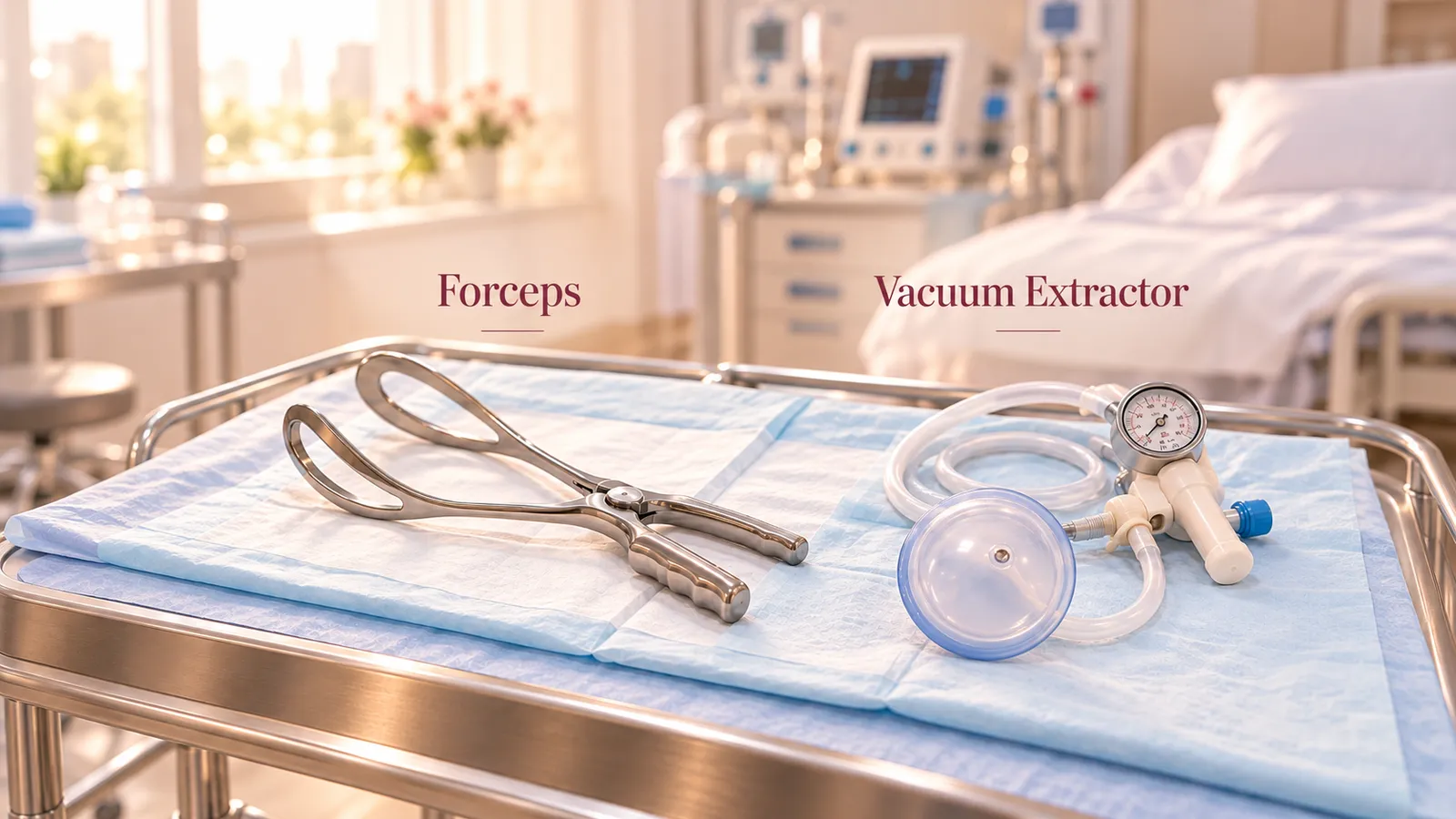
Instrumental Birth: Forceps and Vacuum
Why might forceps or vacuum be needed? Learn what happens during an assisted vaginal birth, what to expect afterwards and how recovery can feel.
Getting ready for birth?
Follow your pregnancy to the very end, get ready for labour and birth, and find support for the questions that come up along the way in The Mama Years.
Open The Mama Years