



Induction of Labour: What to Expect
Learn what happens during induction of labour, including cervical ripening, balloons, breaking waters, oxytocin and managing contractions.
Reviewed by Courtney Garland, NICU Registered Nurse, IBCLC Lactation Consultant and Paediatric Sleep Consultant
I was induced with all four of my babies, and if there's one thing I learned, it's that no two inductions are necessarily alike!
My first was incredibly intense. My third happened so quickly that I barely had time to process what was happening. And by my fourth, I knew a lot more about what to expect and what questions to ask.
So if you've been told you're going to be induced, let me walk you through what might happen.
Why might I need to be induced?
Induction means starting labour medically rather than waiting for it to begin on its own.
It may be recommended if you've gone past your due date, your waters have broken without labour starting, or there are concerns about your health or your baby's wellbeing.
With my first baby, I reached 41 weeks and 3 days. He was measuring big, labour hadn't started, and we decided to proceed with an induction.
He eventually arrived weighing 4.43 kilograms!
Your reason for induction might be completely different, so don't be afraid to ask why it's being recommended.
How do they actually induce labour?
Induction isn't just one procedure. There are several methods, and which one you need depends partly on how ready your cervix is.
Prostaglandin medication: A gel, tablet or vaginal insert may be used to help soften and open your cervix.
Balloon catheter: A small balloon is placed through the cervix and gently inflated to help it open.
Breaking your waters: Your maternity team may make a small opening in the membranes around your baby if your cervix is ready.
Oxytocin drip: Medication is given through an IV to encourage contractions. Your team adjusts the amount while monitoring you and your baby.
You might need one method or a combination.
Does induction hurt more than natural labour?
Not necessarily, but some women find induced contractions particularly intense, especially with an oxytocin drip.
I certainly did with my first.
I remember the drip being increased and feeling like the contractions were suddenly coming incredibly hard, with barely any time to recover.
By my fourth birth, I understood that I could ask what the drip was doing and whether it needed adjusting.
The aim is an effective, safe contraction pattern, not simply increasing the medication as quickly as possible.
How long does induction take?
This can vary enormously.
If your cervix needs time to soften and open, the process might take many hours or longer than a day.
But sometimes, once labour gets going, things move quickly.
With my third baby, I had two doses of prostaglandin gel. Then my waters broke, and less than two hours later, she was born!
There wasn't even time for an epidural.
That was actually my favourite birth of all four.
Can I still have pain relief?
Absolutely.
Depending on your circumstances and what your hospital offers, you may be able to use movement, TENS, water, gas and air, medications or an epidural.
I used my TENS machine during all four inductions, and it was particularly helpful with my third.
You can read about the different options in Pain Relief in Labour: What Are My Options?
What if the induction isn't working?
Sometimes your cervix needs more time, another method or a change in the plan.
Your maternity team will consider how you and your baby are doing before recommending the next step. Occasionally, a caesarean birth becomes the safest option.
If you're being induced, ask why each step is recommended, what comes next and what choices you have.
Having four inductions taught me that understanding the plan made a real difference. And you're absolutely allowed to speak up if you have questions or something doesn't feel right.
Read next
You might also like

What Transition in Labour Actually Feels Like
What does transition in labour feel like? Learn about intense contractions, pressure, emotions and what can help you through it.

Pushing in Labour: What to Expect
What does pushing in labour feel like? Learn about pressure, pushing positions, crowning and why feeling like you need to poo is normal.
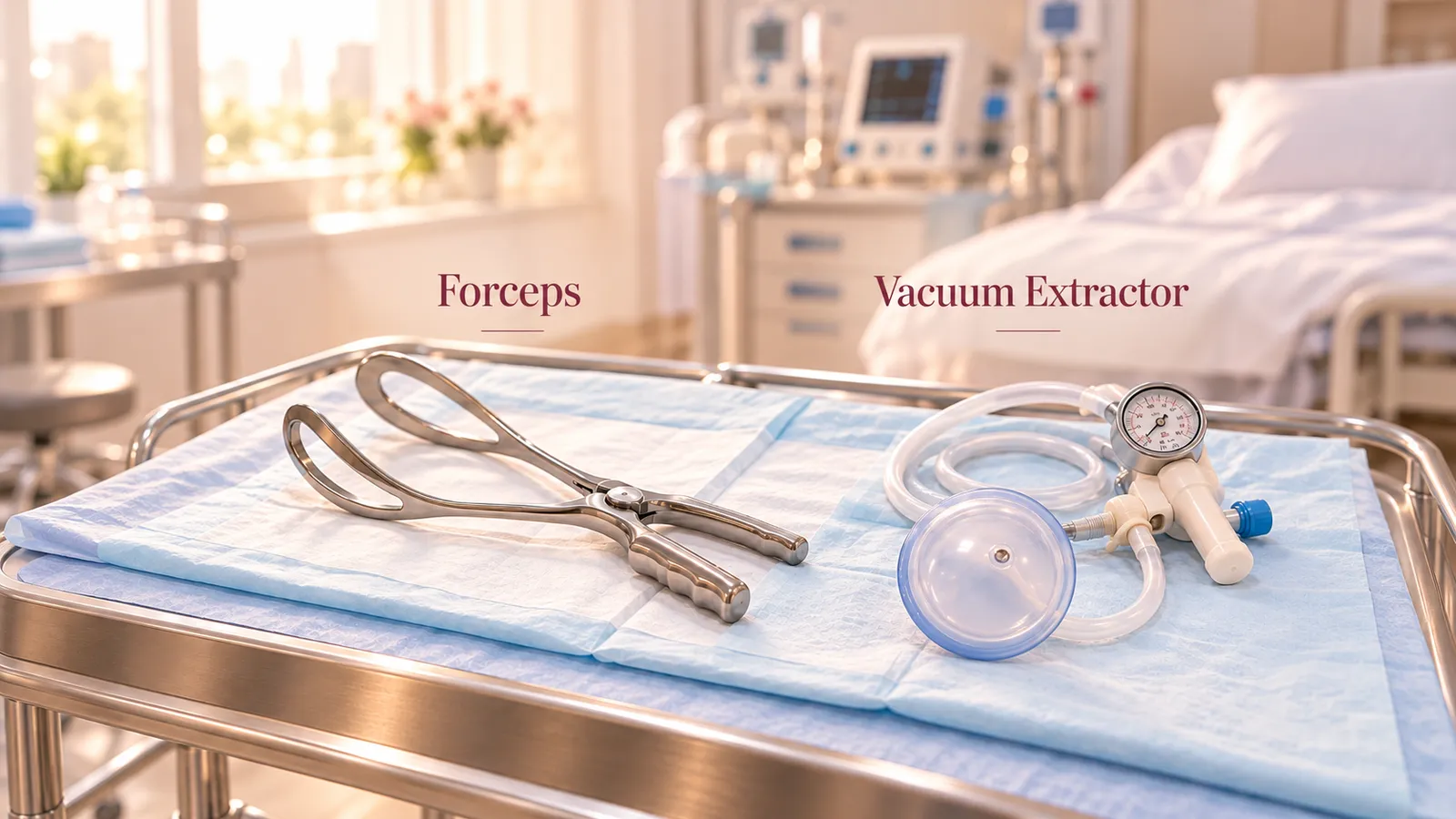
Instrumental Birth: Forceps and Vacuum
Why might forceps or vacuum be needed? Learn what happens during an assisted vaginal birth, what to expect afterwards and how recovery can feel.
Getting ready for birth?
Follow your pregnancy to the very end, get ready for labour and birth, and find support for the questions that come up along the way in The Mama Years.
Open The Mama Years