



What Transition in Labour Actually Feels Like
What does transition in labour feel like? Learn about intense contractions, pressure, emotions and what can help you through it.
Reviewed by Courtney Garland, NICU Registered Nurse, IBCLC Lactation Consultant and Paediatric Sleep Consultant
There can be a point during labour when everything suddenly feels so much more intense.
Your contractions might be coming one after another, you may start shaking or feeling sick, and you might suddenly think, "I can't do this anymore."
If this happens, you could be experiencing something called transition.
Transition is the final part of the first stage of labour, just before your cervix becomes fully dilated and you move towards pushing.
And I really wish more women knew what it could feel like before they experienced it.
What does transition actually feel like?
For some women, transition is a really noticeable change.
You might experience:
• Contractions that feel incredibly intense and close together.
• Shaking or trembling, even when you're not cold.
• Nausea or vomiting.
• Feeling hot one minute and freezing the next.
• Intense pressure in your pelvis or bottom.
• Crying, irritability or suddenly feeling completely overwhelmed.
You might also find that you don't want anyone touching or talking to you.
The massage you loved earlier in labour? Suddenly, you might want your partner's hands nowhere near you!
And that's okay.
Your body is working incredibly hard, and sometimes you just need to focus on getting through each contraction.
Why do I suddenly feel like I can't do this anymore?
This is probably the feeling I remember most clearly from my fourth birth.
My epidural was working beautifully on my left side, but I could still feel everything on my right.
The contractions were incredibly intense.
I remember crying and thinking, "I can't do this. I just want him out."
And then, before I really knew what was happening, his head was right there.
I was pushing.
And suddenly, he was born.
That's how quickly things changed for me.
But I also want you to know that feeling overwhelmed does not automatically mean your baby is about to arrive. Labour can still take time.
What can actually help during transition?
Honestly, keep things simple.
This probably isn't the moment when you want someone explaining a complicated breathing technique.
Focus on one contraction at a time.
Change positions if you need to. Use your TENS machine or other pain relief if it's helping. Hold your partner's hand, ask for pressure on your back or tell everyone to be quiet if you need.
And if your pain relief isn't working properly, please speak up.
If you suddenly feel a strong urge to push, let your midwife know so they can assess what's happening.
What if I've had an epidural?
You might not experience transition in the same way.
Some women feel pressure rather than pain, while others barely notice it at all.
That doesn't mean your body isn't progressing through labour.
It simply means the sensations can be different.
How will I know when transition is over?
As your cervix becomes fully dilated and your baby moves lower, you may start feeling an urge to push.
Your maternity team will help you recognise when it's time.
And please remember, if you find yourself shaking, crying or feeling like you can't manage another contraction, you don't need to hide it or try to be brave.
Tell your team.
You may be moving through transition, and you might be closer to meeting your baby than you realise.
Let the people around you help you through it, one contraction at a time.
Read next
• Stages of Labour: What Actually Happens
You might also like

Pushing in Labour: What to Expect
What does pushing in labour feel like? Learn about pressure, pushing positions, crowning and why feeling like you need to poo is normal.
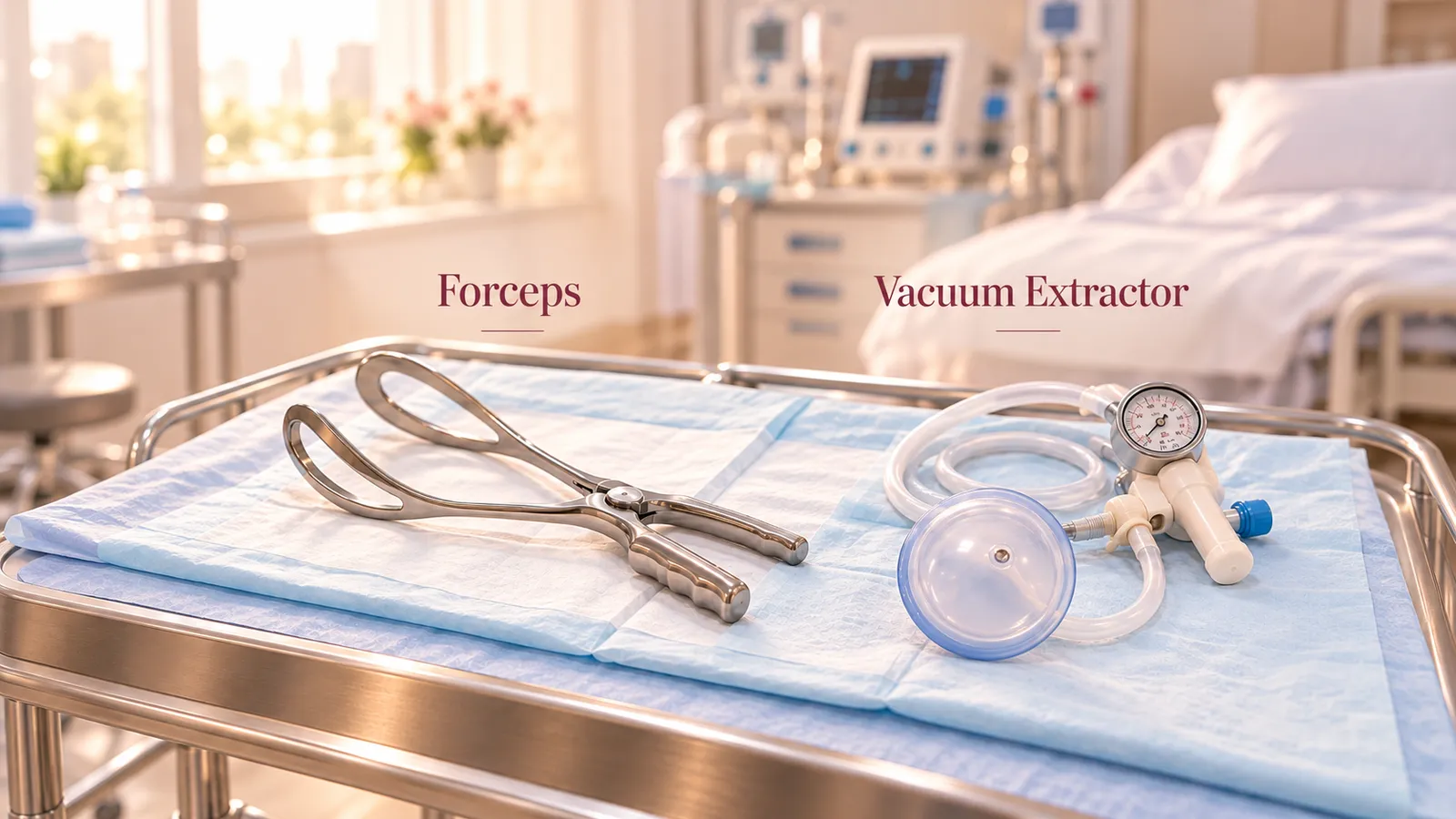
Instrumental Birth: Forceps and Vacuum
Why might forceps or vacuum be needed? Learn what happens during an assisted vaginal birth, what to expect afterwards and how recovery can feel.
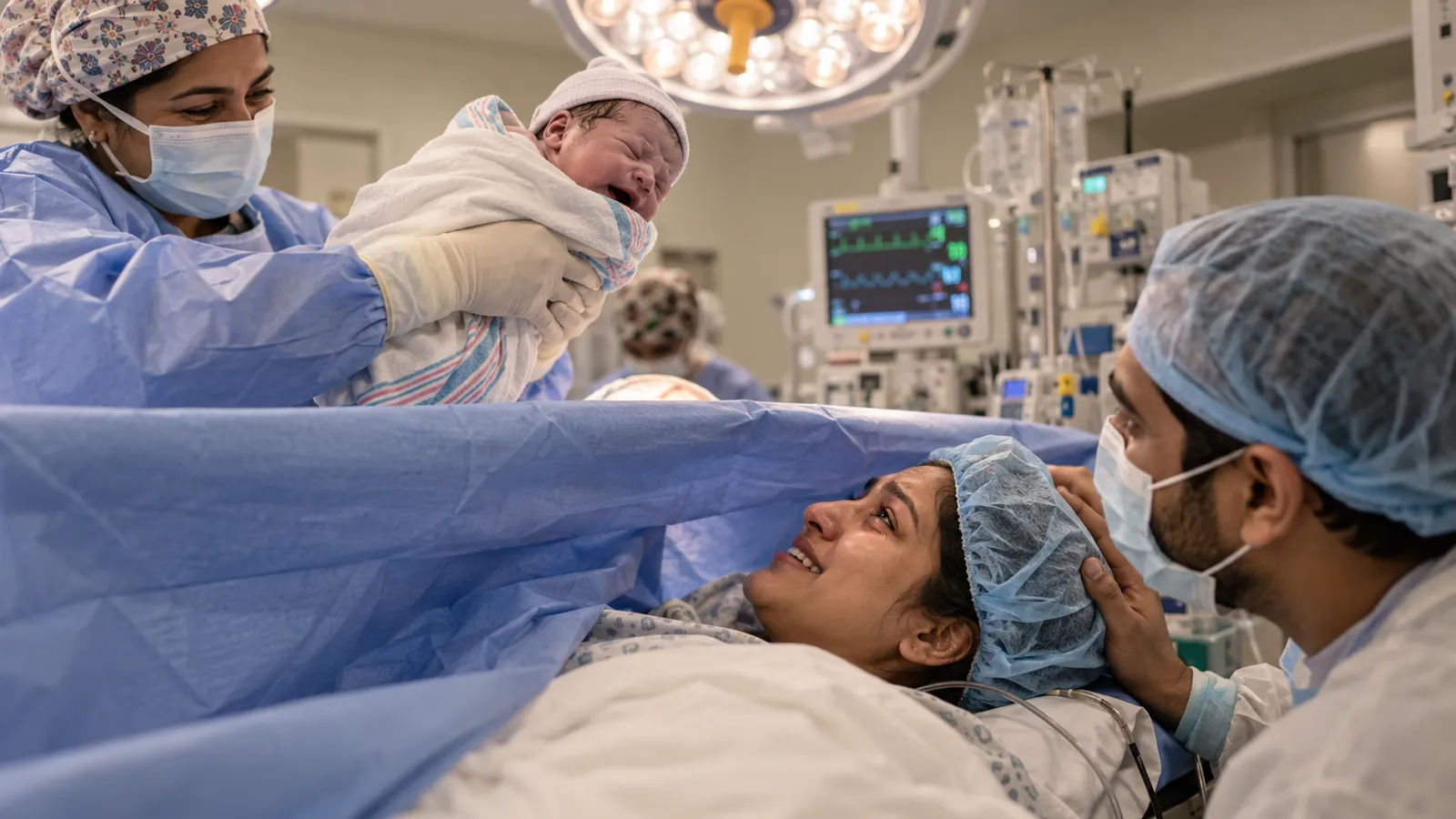
Emergency Caesarean Birth: When the Plan Suddenly Changes
Understand what happens during an emergency caesarean birth, why it may be recommended and what to expect in theatre and afterwards.
Getting ready for birth?
Follow your pregnancy to the very end, get ready for labour and birth, and find support for the questions that come up along the way in The Mama Years.
Open The Mama Years