



Epidural: What to Expect
Considering an epidural during labour? Learn how it works, what it feels like, possible side effects and what happens if it only works on one side.
Reviewed by Courtney Garland, NICU Registered Nurse, IBCLC Lactation Consultant and Paediatric Sleep Consultant
I had an epidural with three of my four babies, and I still remember how nervous I was getting my first one.
I'd spent so much of that labour trying to cope without it. But eventually, I was exhausted, the contractions were incredibly intense, and I decided I wanted the pain relief.
And honestly? Once it started working, the relief was amazing.
If you're thinking about having an epidural, let me walk you through what actually happens.
What exactly is an epidural?
An epidural is a type of pain relief that numbs much of the pain from your lower body while you're awake during labour.
An anaesthetist places a very thin, soft tube, called a catheter, into the epidural space in your lower back.
Pain relief medication is then given through that tube.
And something worth knowing? The needle doesn't stay in your back! It's removed once the catheter is in place.
What happens when they put it in?
You'll usually sit on the edge of the bed or lie on your side, curling your back slightly.
Your anaesthetist cleans the area, numbs your skin with local anaesthetic and places the epidural.
For me, the hardest part wasn't the needle.
It was trying to stay still while having contractions!
I remember leaning forward over a pillow, gripping it tightly and squeezing Brendan's arm as I tried not to move.
Tell your anaesthetist when a contraction is coming. They can help you work through it.
Does an epidural hurt?
The local anaesthetic injection can sting briefly, and you may feel pressure during the procedure.
For me, the contractions were much harder than the epidural placement itself.
Once the medication is given, pain relief usually starts developing within about 10 to 20 minutes, although getting fully comfortable can take longer.
Will I still feel my contractions?
You might!
An epidural aims to reduce the pain significantly, but you may still feel tightening, pressure or your baby moving down.
Your legs may feel heavy, warm or numb.
You'll also have additional monitoring, and you may need a urinary catheter because you can't always feel when your bladder is full.
Don't try to get out of bed without your team's help.
What if my epidural only works on one side?
Please say something!
This happened during my fourth labour.
My left side was beautifully numb, but my right side could still feel those incredibly intense contractions.
I was crying, overwhelmed and wondering why I was still in so much pain. Also swearing so much, which is completely out of character for me in public, especially in a medical setting.
Thankfully, the anaesthetist came back and adjusted my epidural, and it finally worked properly.
Sometimes an epidural needs adjusting, repositioning or replacing. You don't have to just put up with it.
Are there any risks or side effects?
Like any medical procedure, epidurals have possible side effects.
These can include low blood pressure, itching, shivering, nausea, difficulty passing urine or incomplete pain relief.
Occasionally, a severe headache can happen afterwards. Serious complications such as infection or nerve injury are rare.
An epidural doesn't increase your overall chance of a caesarean birth, although it may make the pushing stage longer and increase the chance of needing forceps or vacuum assistance.
Your anaesthetist can explain the risks that matter for your individual situation.
Can I still push with an epidural?
Yes!
You may feel pressure or an urge to push, or your midwife may need to guide you more because the sensations aren't as strong.
I pushed and delivered three of my babies with epidural pain relief.
And if you're wondering whether you should have one, please don't put the same pressure on yourself that I did with my first birth.
You can plan to have an epidural, decide during labour or choose not to have one.
What matters is understanding your options and feeling supported in your decision.
Read next
• Pain Relief in Labour: What Are My Options?
You might also like

What Transition in Labour Actually Feels Like
What does transition in labour feel like? Learn about intense contractions, pressure, emotions and what can help you through it.

Pushing in Labour: What to Expect
What does pushing in labour feel like? Learn about pressure, pushing positions, crowning and why feeling like you need to poo is normal.
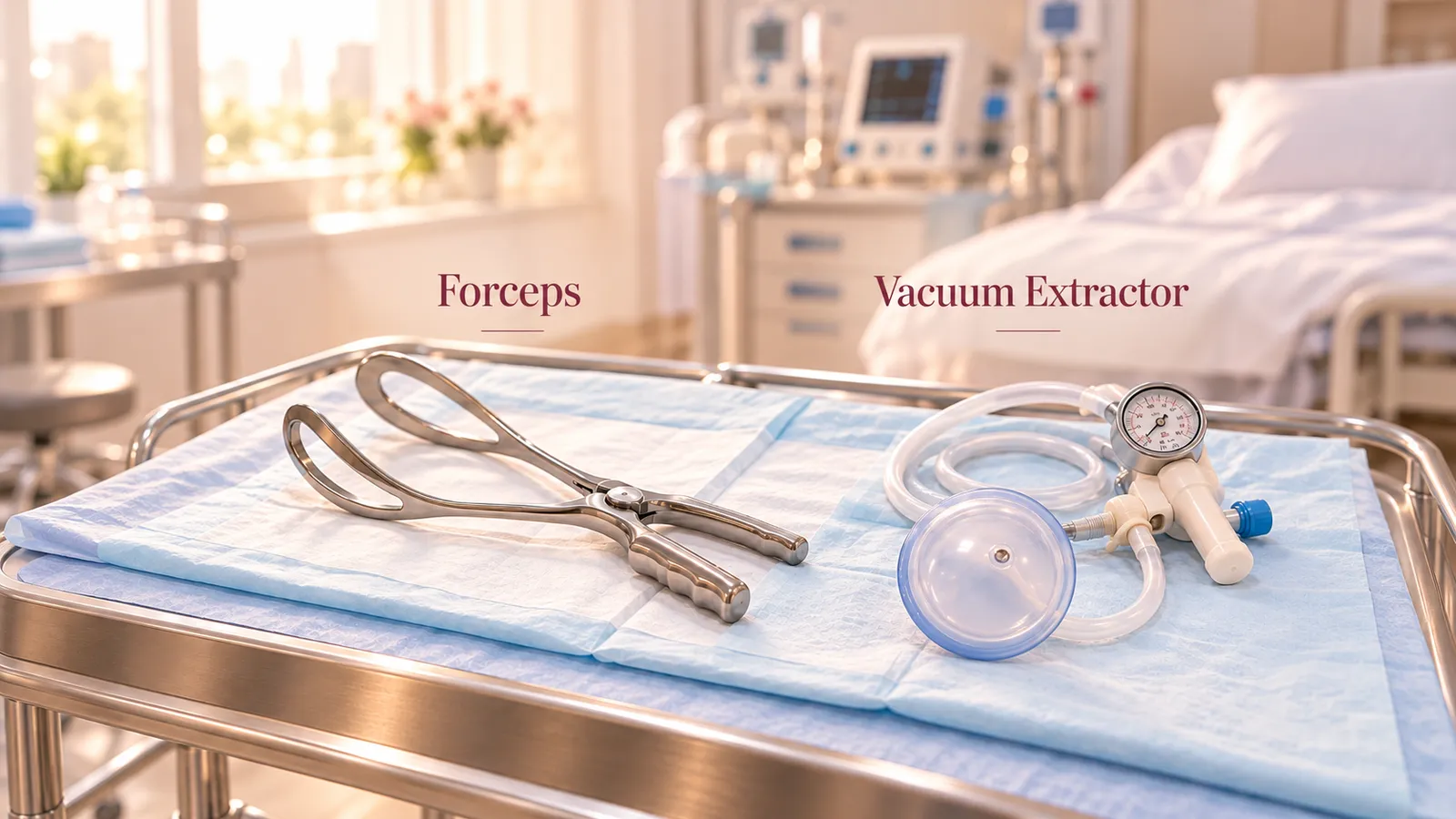
Instrumental Birth: Forceps and Vacuum
Why might forceps or vacuum be needed? Learn what happens during an assisted vaginal birth, what to expect afterwards and how recovery can feel.
Getting ready for birth?
Follow your pregnancy to the very end, get ready for labour and birth, and find support for the questions that come up along the way in The Mama Years.
Open The Mama Years