



Pushing in Labour: What to Expect
What does pushing in labour feel like? Learn about pressure, pushing positions, crowning and why feeling like you need to poo is normal.
Reviewed by Courtney Garland, NICU Registered Nurse, IBCLC Lactation Consultant and Paediatric Sleep Consultant
If you're having your first baby, you might be wondering how on earth you're supposed to know when to push, or even how to do it!
And honestly, the easiest way I can explain it is this.
It can feel like you really, really need to poo.
I know that probably isn't the glamorous explanation you were expecting, but it's one of the best ways to describe the pressure.
And yes, you might actually poo while pushing. I did!
How will I know when it's time to push?
Once your cervix is fully dilated to around 10 centimetres, you've reached the second stage of labour.
As your baby moves lower, you might start feeling enormous pressure in your bottom, almost like you desperately need to open your bowels.
Some women feel their body automatically bearing down during contractions.
Others don't feel much of an urge, especially with an epidural.
Your maternity team will help you work out when and how to push.
How do I actually push?
Think about directing the pressure down through your pelvis and bottom, rather than into your face or shoulders.
For many women, pushing feels very similar to having a bowel movement.
You might find that your body naturally takes over. Or your midwife might guide you through each contraction.
And if it doesn't make sense straight away, that's okay!
Sometimes a change in position or a little guidance is all you need.
Am I really going to poo during birth?
You might!
Your baby's head presses against your rectum as it moves down, and you're using many of the same muscles you use to poo.
I remember worrying about this before my first baby, but after four births, I can promise you it was the least of my concerns.
Your midwife has seen it all before and will usually clean it away so discreetly that you might not even notice.
Honestly, don't waste your energy worrying about it.
What position should I push in?
You don't necessarily have to lie flat on your back.
Depending on your birth, you may be able to push on your side, kneeling, on hands and knees, or in a more upright position.
Even with an epidural, your team may be able to help you change positions.
Ask what options are available and what feels comfortable.
What is the ring of fire?
As your baby's head stretches the vaginal opening, you might feel intense burning, stinging or stretching.
This is often called the ring of fire.
It usually happens as your baby's head is crowning, meaning the head stays visible at the vaginal opening rather than moving back between contractions.
Your midwife might ask you to slow your pushing or breathe gently to help the head come out in a controlled way.
You're very close to meeting your baby at this point.
What if pushing takes longer than I expected?
Pushing can take a few minutes or several hours.
Your baby's position, whether it's your first birth, your contractions and whether you have an epidural can all make a difference.
Your maternity team will keep checking how you and your baby are coping and whether your baby is moving down.
Sometimes you need more time, a change of position or some extra help.
And please don't worry if pushing doesn't come naturally straight away.
You don't need to arrive at birth already knowing exactly what to do. Your team can help you find your way through it.
Read next
• What Transition in Labour Actually Feels Like
• Instrumental Birth: Forceps and Vacuum
• What Happens Immediately After Birth?
You might also like

What Transition in Labour Actually Feels Like
What does transition in labour feel like? Learn about intense contractions, pressure, emotions and what can help you through it.
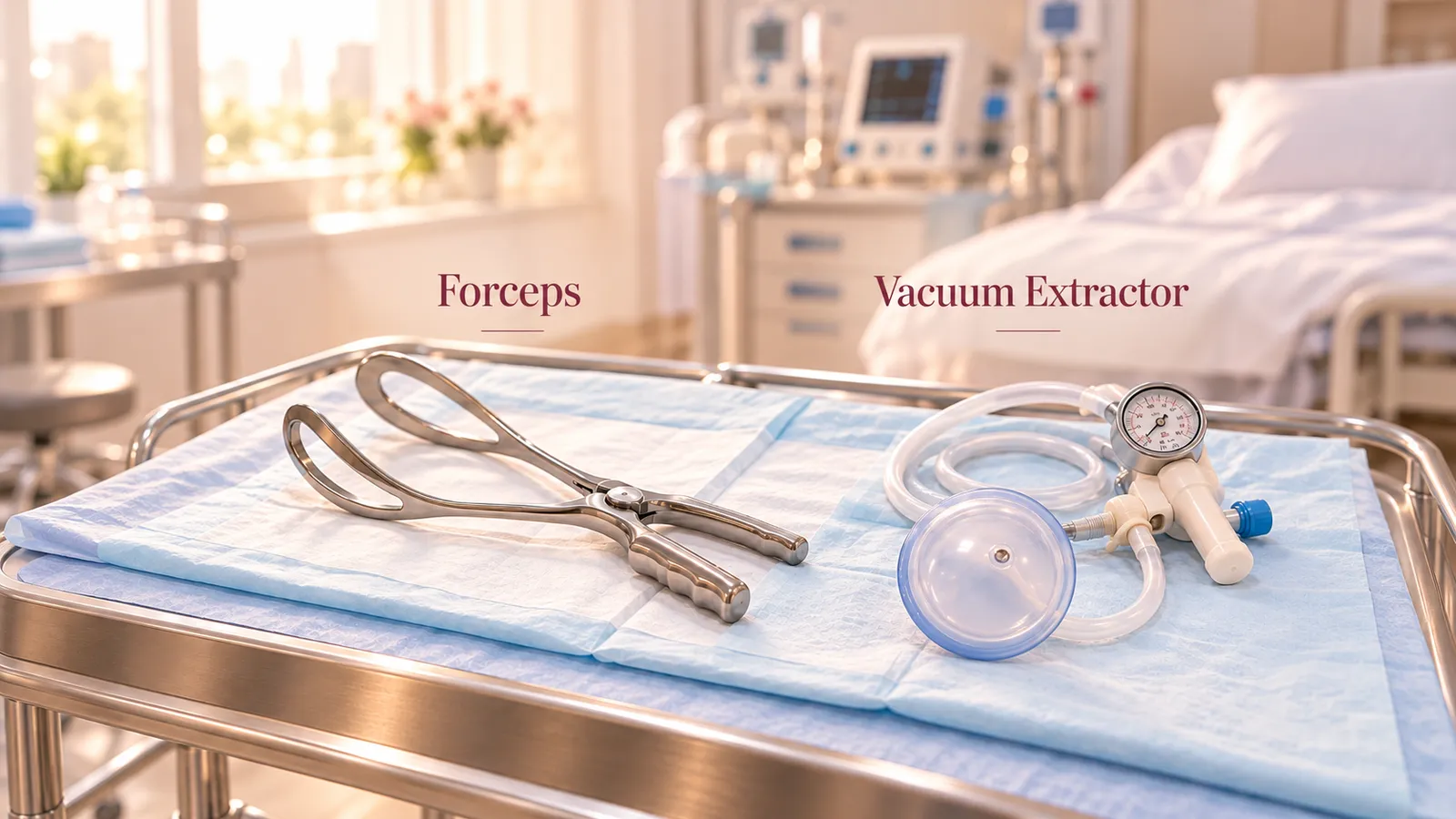
Instrumental Birth: Forceps and Vacuum
Why might forceps or vacuum be needed? Learn what happens during an assisted vaginal birth, what to expect afterwards and how recovery can feel.
Emergency Caesarean Birth: When the Plan Suddenly Changes
Understand what happens during an emergency caesarean birth, why it may be recommended and what to expect in theatre and afterwards.
Getting ready for birth?
Follow your pregnancy to the very end, get ready for labour and birth, and find support for the questions that come up along the way in The Mama Years.
Open The Mama Years