



Pain Relief in Labour: What Are My Options?
Explore your labour pain relief options, including TENS, water, gas, opioids and epidurals, with practical advice to help you prepare.
Reviewed by Courtney Garland, NICU Registered Nurse, IBCLC Lactation Consultant and Paediatric Sleep Consultant
One thing I learned after four births is that what works beautifully in one labour might do absolutely nothing for you in another!
With my first baby, I tried the shower, gas, movement, my TENS machine and eventually an epidural. Some things helped, while others really didn't.
Then with my fourth baby, I suddenly loved the gas, something I couldn't stand during my first labour.
So if you're wondering what pain relief you should use, my advice is to know your options and keep an open mind.
What can I try before medication?
There are quite a few ways to make contractions more manageable.
Walking, rocking, changing positions, breathing, massage, warm water and heat packs can all help.
Some women absolutely love labouring in the shower or bath. Try it!
What about a TENS machine?
TENS stands for transcutaneous electrical nerve stimulation.
Small sticky electrode pads go on your back, delivering gentle electrical impulses that you control with a handheld device.
I used a TENS machine during all four of my labours, and it was my favourite non-medication option.
It gave me something else to focus on during contractions.
With my third baby, labour moved so quickly that I didn't have time for an epidural. My TENS machine was incredibly helpful. Just remember to always turn it up faster than you think!
Does gas and air actually help?
Gas and air, also called nitrous oxide, is breathed through a mouthpiece or mask during contractions.
It doesn't usually take the pain away completely, but it can make the contractions feel more manageable.
And timing matters. You generally want to start breathing it as a contraction begins, rather than waiting until the pain peaks.
With my first birth, I thought gas was completely useless.
With my fourth? I loved it!
It can make you feel dizzy, nauseous or lightheaded, but those effects usually wear off quickly once you stop breathing it.
What about sterile water injections?
Sterile water injections involve small injections around your lower back and may help with intense back labour.
The injections can sting quite sharply for a short time.
I never personally used them, but they're worth knowing about if you're experiencing significant back pain.
They're not available at every maternity service.
Can I have stronger medication?
Yes. Depending on where you're giving birth, opioid medications may be available by injection or through an IV.
They can help take the edge off contractions and make you feel more relaxed or sleepy, but they don't usually remove the pain completely.
They can also cause nausea and drowsiness, and some may temporarily affect your baby's breathing or alertness, particularly when given close to birth. It is all about timing with these options so make sure to speak to your maternity to explain.
What about an epidural?
An epidural provides stronger pain relief by giving medication through a small tube placed in your lower back.
I had one with three of my four babies.
And when it worked well, it was fantastic. I could finally relax instead of fighting every contraction.
We explain exactly what happens during the procedure in Epidural: What to Expect.
Can I change my mind during labour?
Absolutely!
You might begin with breathing and movement, try TENS or gas, and later decide you want an epidural.
Or you might find that the first thing you try works brilliantly.
With my first baby, I felt almost defeated when I asked for an epidural because I'd put so much pressure on myself to cope without one.
Looking back, I wish I hadn't.
There is no prize for experiencing the most pain. Learn what's available, and give yourself permission to use whatever support you need.
Read next
You might also like

What Transition in Labour Actually Feels Like
What does transition in labour feel like? Learn about intense contractions, pressure, emotions and what can help you through it.

Pushing in Labour: What to Expect
What does pushing in labour feel like? Learn about pressure, pushing positions, crowning and why feeling like you need to poo is normal.
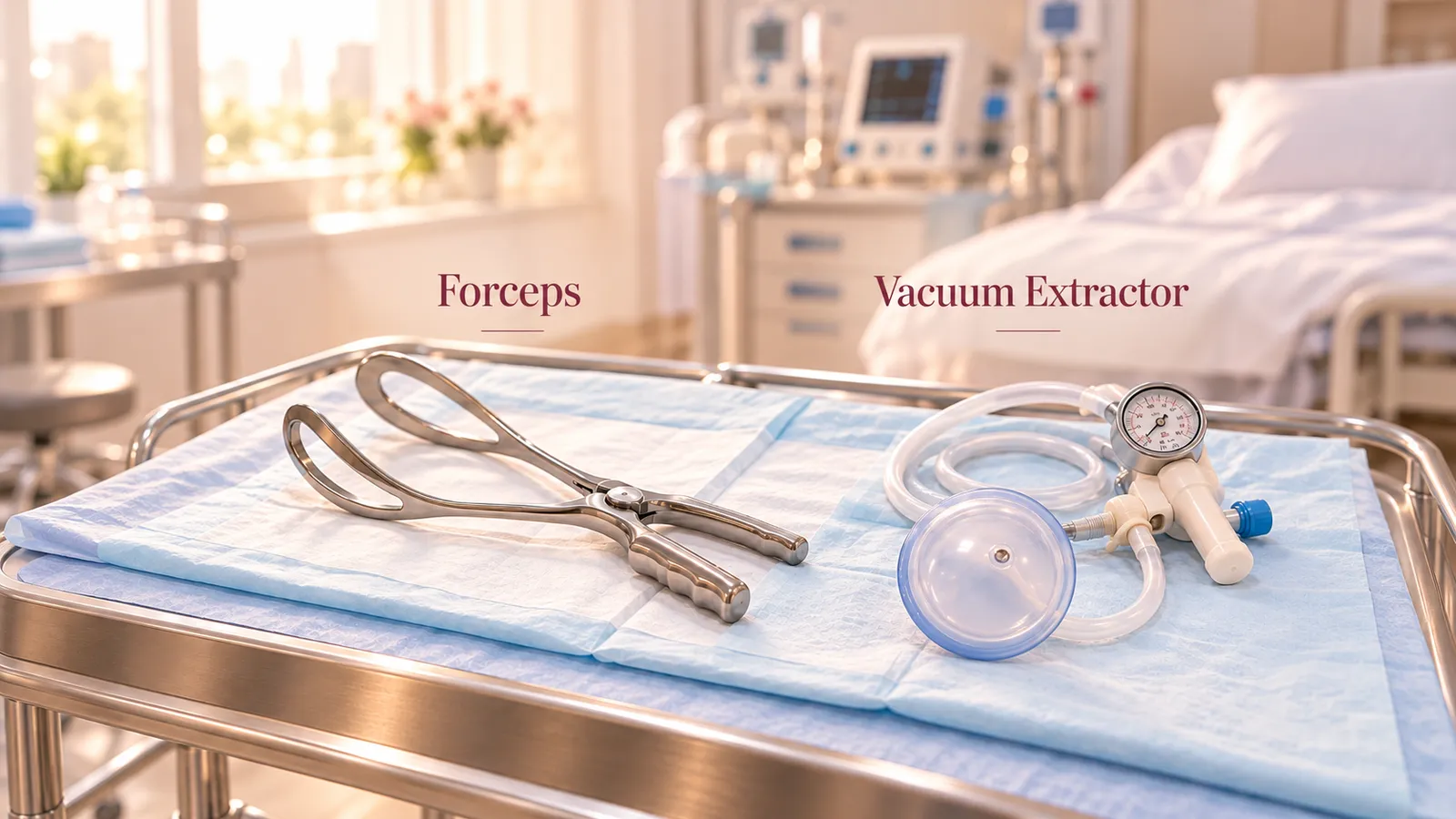
Instrumental Birth: Forceps and Vacuum
Why might forceps or vacuum be needed? Learn what happens during an assisted vaginal birth, what to expect afterwards and how recovery can feel.
Getting ready for birth?
Follow your pregnancy to the very end, get ready for labour and birth, and find support for the questions that come up along the way in The Mama Years.
Open The Mama Years